By Israel Dispatch
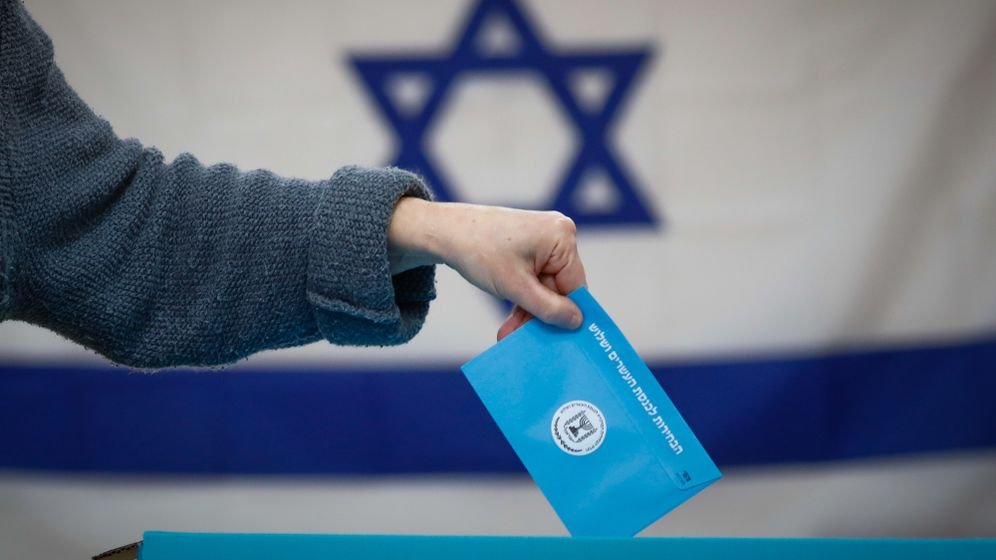
The collision of partisan media, social media campaigns, and efforts to undermine public trust in institutions has brought Israeli politics to a tense and risky moment. After the October 2026 election, results showed the right wing bloc stuck with just 53 seats, falling short of the magic number for a stable majority at 61. What started as routine coalition wrangling quickly morphed into something darker: open attacks on the very idea of democracy itself. Center stage in all of this is Channel 14. Their investigation into alleged foreign election meddling, full of bombast and suggestion, was seized on by Prime Minister Benjamin Netanyahu, who wasted no time blasting it out to his followers online.
The broadcast spun a dramatic story about an unexpected surge in Arab voter turnout, a surge that boosted Ra am and the Joint List to a record 19 Knesset seats together. Right away, the network floated the idea that outside forces had somehow intervened, tipping the scales and changing the result. Israel’s Central Elections Committee and security agencies scrambled to confirm there was no evidence backing these claims, no mass fraud, no disqualified ballots. Still, the harm was already done. As soon as Netanyahu called it an earthquake and warned that the election had been tainted, he sent Channel 14’s narrative straight into the bloodstream of his political base.
But you only have to look a little closer at Channel 14’s investigation to spot something strange. Behind the anchors, woven carefully into their graphics and set design, were the unmistakable symbols and flags of powerful Muslim majority states: Turkiye’s crescent, Saudi Arabia’s green, Pakistan’s star. Even though Channel 14 never named these countries outright, the message was not subtle. To Israeli viewers, the visuals suggested a broad Islamic front, Sunni giants from the Middle East and beyond, quietly working together to reshape Israeli democracy from the shadows.
This tactic is about more than just eye catching TV. The flags plug into deep fears about national security. Instead of presenting Arab Israeli parties’ political participation as a normal exercise of citizenship, Channel 14 portrays it like a Trojan horse pushed by powerful, hostile patrons. For Turkiye, it reinforces old suspicions about rivalry with Jerusalem. For Saudis, it throws cold water on careful normalization efforts. And with Pakistan, already a distant, adversarial player, its appearance conjures stories of far off enemies determined to harm the Jewish state.
It is a clever trick. By sticking to suggestive imagery rather than making direct accusations, Channel 14 and its political allies reap the political benefits without, in theory, starting diplomatic fires. Viewers walk away suspicious, shaken, their trust in fellow citizens and national institutions badly rattled. This is fear mongering with a geopolitical twist, homemade outrage dressed up as international conspiracy.
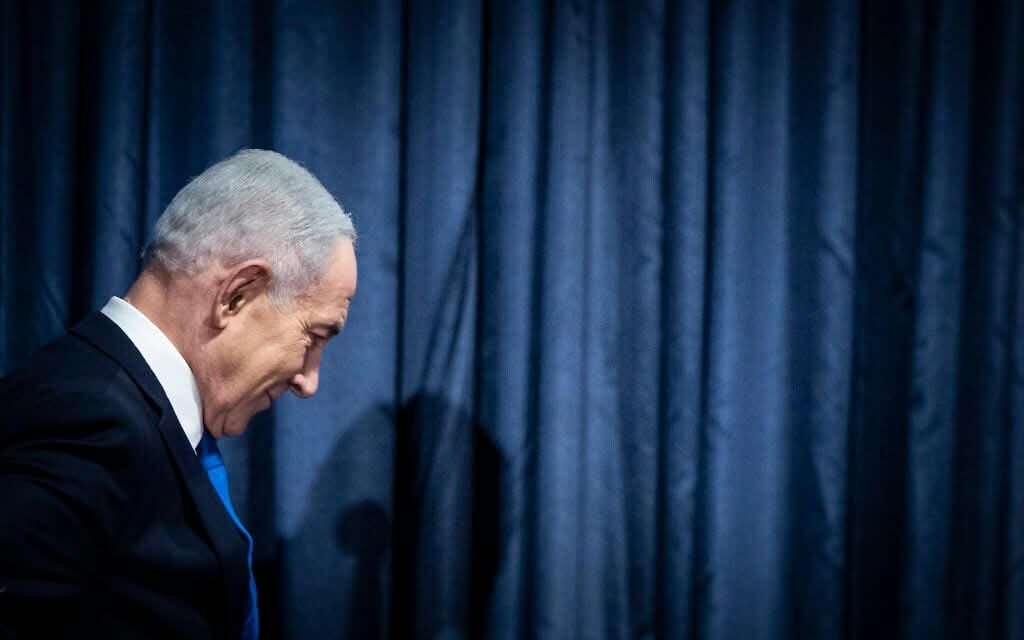
But here is the kicker: this whole line of attack actually puts Netanyahu in a tight spot. If these claims are true, if shadowy foreign operatives really swayed the vote, then Netanyahu is basically admitting he dropped the ball on the core promise of his leadership: total national security. The very leader who built his legacy on protecting Israel from threats would be confessing to a failure so catastrophic that enemies were able to slip right past him and hijack Israel’s democracy.
This kind of talk does not just rile up the base. It threatens the underlying stability of the state. If people believe that foreign adversaries can freely manipulate Israeli elections, then they have to doubt whether the country can protect itself at all. And when the nation’s top officials echo this story, it is not just embarrassing, it signals to everyone that the system is shaky, the rules are breakable, and maybe the vote cannot be trusted.
The damage goes far beyond a single election or a dip in public trust. When Arab Israelis, who make up almost a fifth of the population, are painted as agents of foreign interests just for showing up at the polls, then you are tearing at the very fabric of Israeli society. When voting becomes suspect, or even criminalized through innuendo, the promise that all citizens have equal ownership in their country’s future is called into question.
And what about Israel’s standing on the world stage? Allies expect Israel to be a model of institutional backbone, with bulletproof courts and election procedures. If the country’s leaders act as if these protections are just window dressing, used or ignored for political convenience, then Israel’s reliability as a democratic partner takes a heavy hit, at a time when global pressures are only growing.
The truth is, these tactics cut deep. When leaders use vague and inflammatory media stories to cast doubt on election integrity, they undermine the very trust that keeps the whole system afloat. Israel’s democracy, with all its checks and balances, depends on everyone believing the rules work, and that everyone’s vote matters. If lawful political participation gets spun into a foreign plot on national TV, you are not just degrading trust in the government; you are planting the seeds for permanent division and suspicion. And just when the country needs unity and clear eyed leadership, it gets spun off into a cycle of fear and blame from which it is hard to recover.
About the Author
Israel Dispatch provides authoritative, non-partisan analysis on Israeli security, political dynamics, regional geopolitical shifts, and sovereign foreign policy.