By Eitan Levi
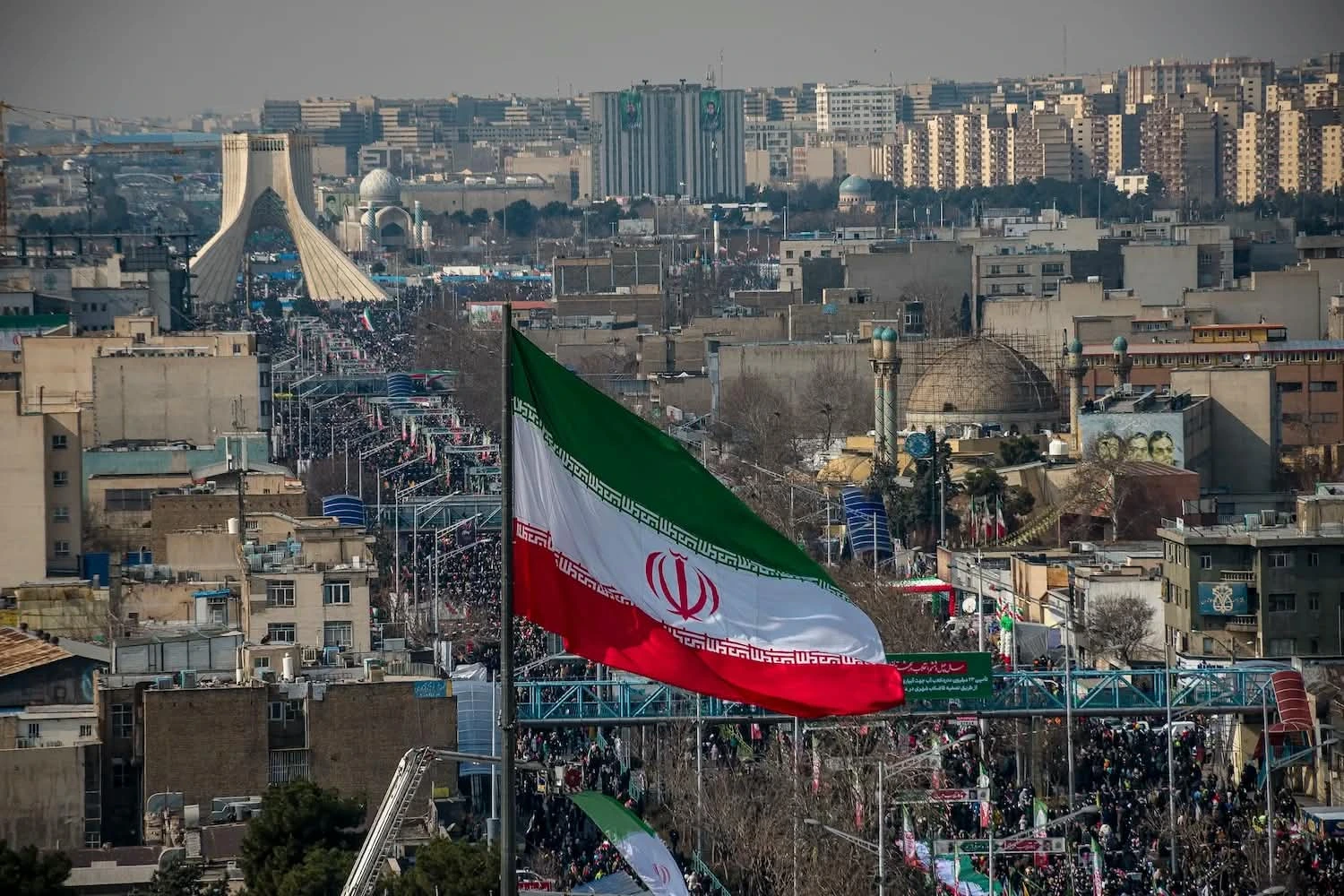
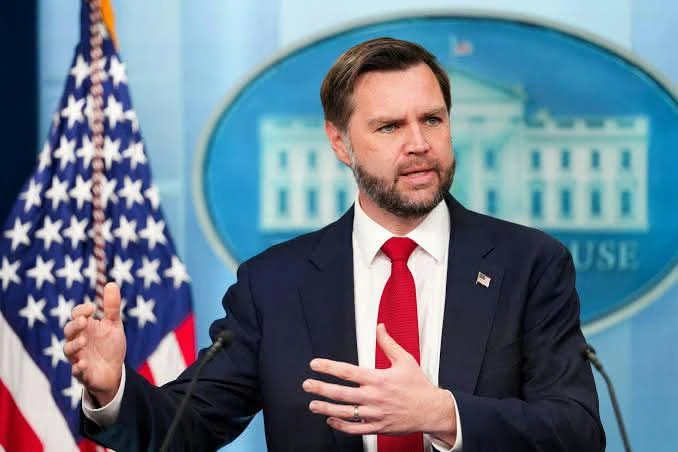
The White House’s decision to reach out directly to senior security officials in Tehran isn’t just risky, it’s a serious tactical error. News that Vice President JD Vance sent a formal letter to Mohsen Rezaei, Iran’s Supreme National Security Council secretary, marks a worrisome shift away from a realistic, and frankly necessary, strategic stance. Trying to negotiate a breakthrough with the heart of Tehran’s ruling machinery ignores everything history has taught us. It looks weak, especially to a regime that sees any gesture of conciliation as an open door to push harder.
To grasp just how flawed this approach is, look at who’s actually sitting across the table in Iran. Mohsen Rezaei isn’t some moderate official hoping for economic ties with the West. He helped found the Islamic Revolutionary Guard Corps (IRGC) and spent sixteen years as its chief commander. Before the 1979 revolution, he played a role in the Mansouroun group, a radical underground outfit that actively hunted Americans in pre revolution Iran. If you ask anyone familiar with his background, they’ll tell you his entire career has revolved around being fiercely hostile to the United States and its allies.
And let’s not forget, Rezaei’s name is tied directly to acts of global terrorism. Interpol has sought him for years under a Red Notice connected to the 1994 AMIA bombing in Buenos Aires, which killed 85 people and wounded hundreds more. When you engage with someone who’s spent a lifetime destabilizing the region, you’re basically handing them legitimacy they don’t deserve. It sends a crushing message to millions of Iranians who risk their lives fighting the oppressive regime.
People pushing for peace talks with hardline security folks in Tehran are making a fundamental mistake about what drives the regime. The ruling class doesn’t see diplomacy as a route to compromise. The IRGC and Iran’s top leadership treat negotiations as tactical tools, using talks to buy time, get economic relief, and keep themselves in power.
History backs this up without question. The Joint Comprehensive Plan of Action from 2015 didn’t slow Tehran’s regional aggression or limit their missile program. Instead, the extra cash from loosening sanctions fueled proxy groups across Lebanon, Syria, Yemen, and the Palestinian territories. Hoping things will turn out differently this time, by sending letters or using secret channels with folks like Rezaei or Ahmad Vahidi, ignores how the Iranian system works at a fundamental level.
All this is happening while the region is already teetering. Tehran is ramping up its nuclear enrichment, inching toward weapons grade material and threatening local stability. Its proxies keep hitting shipping lanes and launching attacks on allied infrastructure. If the White House starts tossing out vague diplomatic gestures without spelling out clear red lines, it just muddies the waters for Israel and Gulf states, who rely on unmistakable American signals.
Washington risks repeating old mistakes. For years, the West has chased after “moderates” in Iran, hoping for change. But whether they’re labeled as reformists or hardline pragmatists, real authority stays locked within a powerful security apparatus. By reaching out to seasoned IRGC operatives, the United States is telling the regime that the West is tired of confrontation and desperate for any kind of agreement.
Israel, especially, has every reason to be cautious now. With Iran’s nuclear ambitions and push for regional dominance, Israel sees a real existential threat. A weak or poorly negotiated deal from Washington would tie Israel’s hands while leaving the actual dangers untouched. Israeli defense officials have always argued that only a credible military threat, backed by relentless economic and political pressure, can shift Iran’s leadership.
And there’s the timing. Right now, Iranians are risking everything, protesting for deep political change and rejecting the religious elite’s rule. When Western powers start reaching out to top IRGC figures, it feels like they care more about cutting deals than backing the fight for democracy. That’s a harsh reality for those struggling inside Iran.
The administration needs to get it straight: Tehran only respects clear strength and unwavering resolve. Security disputes aren’t solved with quick compromises, requiring tough deterrence and relentless pressure. Contacting people whose careers have been about undermining the West hurts American standing, damages allies, and makes the region more unstable.
If Washington genuinely wants lasting stability, it has to stop fantasizing about common ground with the IRGC. The right move is to boost economic pressure, cut off the regime’s financial lifelines, reinforce partnerships with regional allies, and show unwavering support for the Iranian people. Accepting anything less isn’t just an error, it’s a choice that brings dangerous consequences for everyone, both in the region and worldwide.
About the Author
Eitan Levi is a Security and Geopolitical Analyst with expertise in Israeli defence strategy, Iran’s regional operations, Middle Eastern power rivalries, and Israel’s security partnerships.