By Eitan Levi
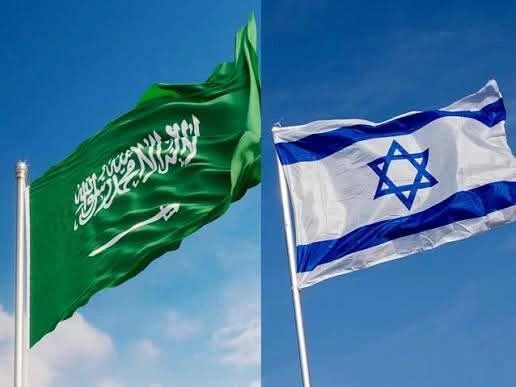
The Middle East is in the midst of a real shakeup. Old alliances that once seemed set in stone are now coming up against the need for nimble, pragmatic changes. Saudi Arabia, right in the thick of it all, faces a tough balancing act, juggling its ambition for regional influence, its drive for economic modernization, and the heavy weight it carries as the spiritual heart of the Muslim world. The recent Mecca Pact, a joint defense agreement Saudi Arabia put together with Turkey and Pakistan, has only added more layers to an already tangled regional puzzle. This agreement casts doubt over the future of the Abraham Accords and raises new questions about how far Arab Israeli normalization can actually go.
So why would Riyadh double down on military ties with old school powers like Pakistan and Turkey? Well, the answer is both urgent and obvious. Threats loom large across the Gulf, from simmering rivalries to non state actors poking at regional stability. The Mecca Pact, signed right in the holy city itself, wasn’t just for show. Saudi Arabia wants to shore up its borders, not just with firepower but by aligning itself with countries that share its religious values and strategic instincts. Still, this very move creates headaches when you weigh it against the spirit of the Abraham Accords, which are all about building bridges with Israel. These alliances, rooted in shared faith and military logic, don’t sit comfortably next to a push for normalization with Jerusalem.
Bringing Pakistan into this new defense club changes the game in a big way for Saudi Israeli relations. Pakistan isn’t just a military heavyweight; its stance on Israel is rigidly hostile and deeply rooted in its politics and religious identity. Pakistani hardliners have always treated any outreach to Israel as betraying the core tenets of Islam. That kind of public sentiment doesn’t stay contained within Pakistan’s borders, either. By intertwining itself so closely with Islamabad, Saudi Arabia risks getting boxed in. The bottom line: Riyadh can’t make sudden moves toward Israel without expecting blowback not just from Pakistan’s government, but also its public and religious groups. These partners act as powerful anchors, slowing down, if not outright blocking, any momentum toward normalization.
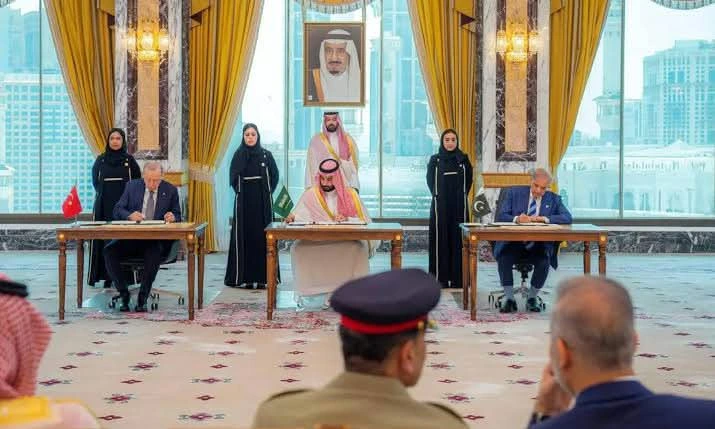
The stakes are even higher because of Saudi Arabia’s unique role as the custodian of Islam’s two holiest sites. It’s not free to play the cold game of realpolitik or chase economic windfalls at the cost of principle. Millions of Muslims worldwide look to Riyadh for spiritual leadership, and every flare up in Gaza or the West Bank turns up the heat. The pressure for Saudi Arabia to put the ummah, the global Muslim community, above everything else only grows. When Riyadh strengthens ties with Turkey’s president or Pakistan’s generals, it can flex its muscles as the undisputed leader of the Muslim world. But the price of that leadership is steep; turning toward Israel too quickly risks seeming like a betrayal of the Palestinian cause. This isn’t just a policy question, it’s an existential dilemma at the heart of Saudi decision making right now.
But here’s the thing: None of these entrenched positions mean the region is locked into perpetual gridlock. Sure, the Mecca Pact bolsters anti normalization forces, but it doesn’t slam the door on a more peaceful future. Israel can’t just sit back and hope things change. If Jerusalem wants a breakthrough, it’s got to work for it, through patient diplomacy, genuine outreach, and keeping channels open even when progress feels slow. The benefits of cooperation are already clear in the places where the Abraham Accords have taken root: innovation, trade, and shared prosperity. That kind of progress speaks louder than old grudges. For Israel, the task now is to reassure its neighbors that it seeks honest coexistence, not dominance. Patience and credibility matter as much as any grand summit.
So, where does that leave Saudi Arabia? Stuck in a balancing act, but not without options. The country has to honor the expectations of the Muslim world, navigate Pakistan’s hardline sensitivities, and defend against regional threats, all while keeping an eye on ambitious goals for economic transformation. These are not easy priorities to juggle, and the path is crowded with skeptics. But real leadership means playing the long game. If Saudi Arabia wants to become a modern, tech driven powerhouse, it needs a region that’s stable and plugged into the wider world. Walking away from dialogue or letting today’s alliances turn into permanent rifts serves no one in the long run. If Riyadh stays flexible, keeps talking behind the scenes, and doesn’t let current tensions lock everyone into old habits, there’s a real shot at something better. And maybe, just maybe, that horizon of peace will finally start to come into view for a region so tired of living in the shadow of conflict.
About the Author
Eitan Levi is a Security and Geopolitical Analyst with expertise in Israeli defence strategy, Iran’s regional operations, Middle Eastern power rivalries, and Israel’s security partnerships.