
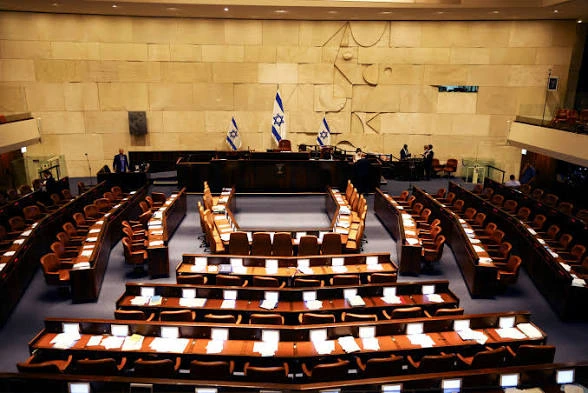
Israel is heading for a major turning point as the October 27 election draws closer. After three tough years of ongoing regional tensions and conflict, everyone is understandably laser focused on security and national survival. It is about keeping Israel safe, no doubt. But underneath all the heated debates about military readiness, there is another battle playing out, one about the very soul of the country. And it is quieter, but just as crucial.
A lot of mainstream politicians, especially from the various Zionist parties, have started to treat the idea of Arab participation in government as taboo. They are adamant: Arab political factions are not welcome in any ruling coalition. This is not just some quick fix election strategy. It is a deeper mistake, one that ends up giving Israel is international critics exactly what they want: a clear talking point to use against the country.
Look at what is been happening since the horror of October 7, 2023. Jewish communities around the world have been hit with a wave of hostility that is shocking even for those used to seeing tough times. On college campuses and at international forums, propaganda about Israel is supposed apartheid system and Zionism being inherently racist spreads faster than ever. These opponents are not just fighting on the ground, they are fighting to shape the story, pushing the idea that Israel cannot ever be a place of equal rights. So when Israeli leaders go on record saying Arab citizens, just by virtue of their ethnicity, are not eligible for government, that message gets broadcast everywhere. And it starts to look, to the outside world, like Israel is sealing itself in a bubble of supremacy.
But that is not what true Zionism has ever been about. Go back to the dawn of the state, David Ben Gurion and Israel is founding fathers faced invasion, uncertainty, and chaos. What was their answer? In Israel is Declaration of Independence, they committed, loud and clear, to full equality. All citizens, regardless of religion, race, or sex, would get equal social and political rights. They called on Arab residents to help build the state, knowing that the country is moral backbone depended on real civil equality.
Of course, holding office and being part of Israel is government is not a free for all. There are standards: you need to be loyal to the state, respect its democratic foundation, and reject terrorism outright. If a party is extremist, subversive, or disloyal, exclusion is just common sense and protects democracy. But writing off an entire group of citizens purely because they are Arab? That crosses a line. That is not protecting democracy, that is undermining it. It violates the original promise made in 1948 and turns the idea of equal citizenship into something conditional, not absolute.
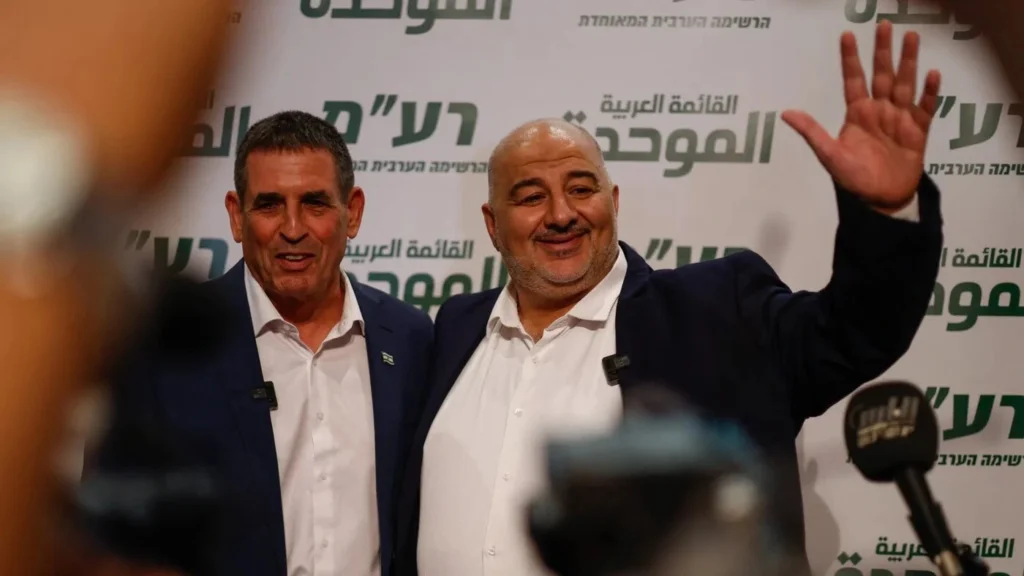
This problem is not just theoretical. Let us look at what actually happened in recent years. In 2021, Mansour Abbas is United Arab List (Ra’am) joined Israel is emergency coalition. That move was historic. Ra’am tackled civil issues, like infrastructure, healthcare, and crime in Arab communities, right alongside Zionist partners. It did not weaken Israel is security. Instead, it told two million Arab citizens, about one fifth of the population, that their problems were not invisible. That they could turn to democratic institutions, not simply accept political isolation. Walking back from that in 2026 is not just missing an opportunity, it sends the wrong message. It makes civic integration look like a brief experiment, not a meaningful shift.
Inside the Knesset, the consequences of blanket exclusion are even clearer. Israel is proportional representation system relies on coalitions. You simply cannot keep one fifth of the population out of power forever because of their identity. Polls leading up to October is vote show the same stubborn gridlock between Zionist blocs; a majority is nearly impossible without including Arab majority lists. Ignore them, and parties wind up making dodgy deals with fringe groups. And when law abiding, tax paying Arab citizens see their representatives treated as outsiders, that deepens alienation. On the flip side, integrating moderate Arab parties (that play by the rules) strengthens Israel is sense of shared future for everyone, Jewish or Arab, living between the Jordan River and the Mediterranean.
But it is bigger than domestic politics. Israel is standing in the region, and its diplomatic relationships, hinge on internal pluralism. The Abraham Accords and ongoing talks with Arab partners, Saudi Arabia, Egypt, Jordan, are not just about paperwork; they rest on Israel showing it can be a genuinely diverse society. These allies face their own pressures. If Israel looks like it is shutting out Arabs at home, they risk blowback for working with Jerusalem. Showing real Arab legislative participation helps counter hostile narratives from Iran and others who say Israel cannot coexist.
So here is the bottom line: Israel cannot fight international slander with PR blitzes or lawyerly arguments. The best answer to apartheid accusations is something people can actually see: a government that is Jewish, Arab, Druze, and Christian, all wrestling with the realities of leadership side by side. Shutting the door on Arab participation does not just betray Ben Gurion is vision; it hands ammunition to Israel is enemies and divides the nation inside.
If Israel wants to stay strong and democratic, those are two sides of the same coin. Security needs hard power, but resilience needs commitment to the country is founding principles. As the election approaches, leaders should remember that real bravery comes from facing tough realities, building unity, and defending every citizen is rights, not from carving up the electorate. Choosing the pragmatic, inclusive path with law abiding Arab parties does not soften Israel is Jewish character; it proves, beyond doubt, that Israel is both a safe homeland and a thriving democracy, the kind of country its founders imagined, and its citizens deserve.