
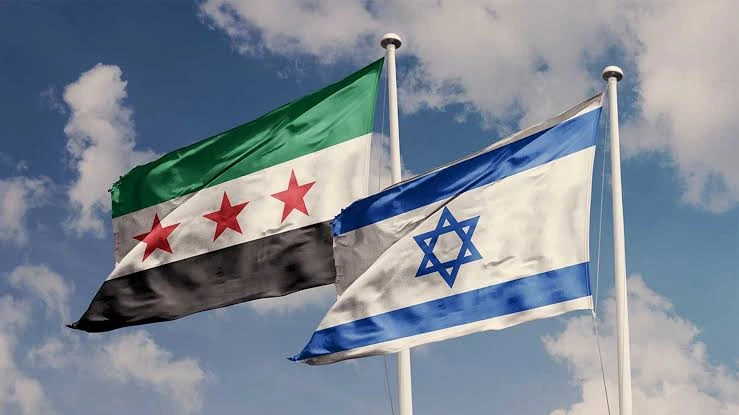
Israel finds itself at a turning point up north. The situation is complicated and requires Israel to rethink how it handles its security and diplomatic strategies fast. Since Assad is regime collapsed, the IDF has not wasted any time securing the southern Syrian corridor and carrying out strikes against threats popping up across Syria. It is an aggressive approach that has earned Israel a buffer zone, but it is not without its risks. The Institute for National Security Studies (INSS) cut right to the heart of the issue: relying solely on force, without any attempt to open direct or indirect diplomatic lines with Damascus, could blow up in Israel is face. What Jerusalem needs now is more finesse. They have to start separating what is truly a red line, the stuff that actually endangers Israeli security, from what is just a tough but manageable fact of regional life.
INSS analysts like Carmit Valensi and Amal Hayek have zeroed in on another emerging challenge: Turkey is expanding presence in Syria after Assad. Tensions soared after Israel is August airstrike at the Abu al Duhur airfield in Idlib, which drew sharp reactions from Turkey, the US, and Syria is interim government. Israel is military brass sees Turkish radar and command posts in Syria as a provocation too far. But the experts at INSS argue that not every installation in the north is a five alarm fire. From a technical angle, Turkish electronic warfare systems, radars, or air defenses stationed in northern Syria really do not change the game. Their coverage is not much different from what Turkey already has in southern Turkey or Northern Cyprus. So, the simple presence of Turkish tech up north does not, on its own, cross any existential threshold that would justify burning through Israeli military resources or political capital.
Instead of fighting every effort to rebuild Syria, Israel needs to draw clear, defensible lines, and stick to them. The real threats sit in central and southern Syria. These are the zones that truly matter for Israeli security, where any attempt to set up forward bases or allow terrorism, especially Hamas, to entrench itself, must trigger a harsh response. Those zones are strictly off limits. On the other hand, when Turkey rebuilds infrastructure in the far north or Syria firms up non threatening state functions under Ahmad al Sharaa is transitional government, Israel does not gain much by jumping in militarily every time. In fact, going after every sign of Syrian recovery only pushes Damascus deeper into Ankara is orbit, and it makes Israel look unreasonable in the eyes of the world, a spoiler, not a rational actor guarding its own borders.
Doubling down on unrestrained military action can also backfire for Israel in a bigger regional context. With the Middle East in flux and countries consolidating after Assad, Israel is unchecked strikes, even ones aimed at targets that do not pose an immediate threat, just complicate the balancing act for its regional partners. Countries like Saudi Arabia, the UAE, and even the US quietly share Israel is worries about Turkish intentions and rogue networks, but they also want a stable Levant. Treating every effort to rebuild Syria as a direct threat only makes matters worse. It risks the kind of total state collapse right on Israel is northern doorstep that nobody really wants.
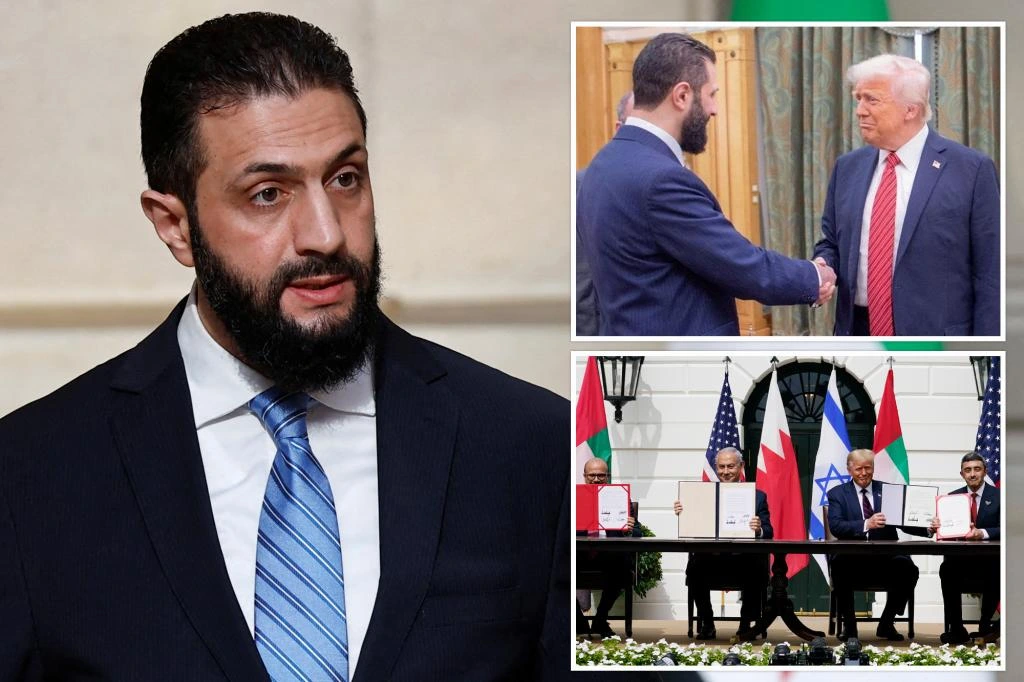
The diplomatic stakes are getting higher fast. The US under Trump started warming up to Syria is current leadership, and the Gulf states are moving ahead with normalization and reconstruction efforts. Then you get comments like those from US special envoy Tom Barrack about the Golan Heights, signals that pressure could soon mount. If Israel stubbornly refuses to negotiate or at least propose conditions for leaving the southern buffer, it could end up cornered by demands from the US and Europe to pull back to the old separation lines, without any ironclad safety guarantees.
There is another danger in sticking to an overly rigid, military only strategy: Israel underestimates what it could gain by just talking, even indirectly, to the new Syrian government. Ahmad al Sharaa is team is swamped with domestic problems, from economic collapse to militia chaos. They need time and resources to put Syria back together and keep chaos at bay. If Israel makes clear it is open to letting Syria rebuild non threatening facilities in return for hard promises to keep hostile proxies out of the south, that is real leverage. It gives Damascus a good reason to secure its own border with Israel. No amount of bombing can replace what a working, enforceable political agreement could accomplish.
And there is the part about Turkey. The risk of an unintended fight between the Israeli and Turkish militaries up north is not just bad news for Israel is image, it endangers its standing with Western allies, especially since Turkey is a NATO member. One real clash or crisis over some outpost in northern Syria could weaken Israel is ties in Washington and European capitals. Showing restraint in these areas keeps Israel is intelligence sharing and cooperation with the West on solid ground. When Israel reserves force for the real threats, proxies pushing toward the south, attempts to plant hostile forces close to the border, the world is more likely to back those tough calls.
Israel cannot expect to hold a permanent military vacuum just by force. That is not a serious, sustainable strategy. The leadership needs to be relentless in protecting the close in border areas, yes, but they also have to be pragmatic, engaging diplomatically and building channels to manage risks before they spiral. By focusing hard on genuine threats in the south, setting smart and enforceable red lines, and avoiding unnecessary clashes with Turkey over distant territories, Israel can protect itself without backing itself into isolation.
In the end, rebuilding Syria and ensuring Israeli security do not have to be at odds. The goal should be a stable, sovereign Syrian neighbor that does not host Iranian aligned proxies or turn into a safe haven for terrorists. Moving from constant airstrikes to a clearer policy that mixes deterrence with dialogue will give Israel the flexibility it needs, and keeps it in the driver is seat, helping to shape the region instead of being at war with it. That is how Jerusalem can really safeguard what matters most, without losing touch with either its principles or its key allies.