
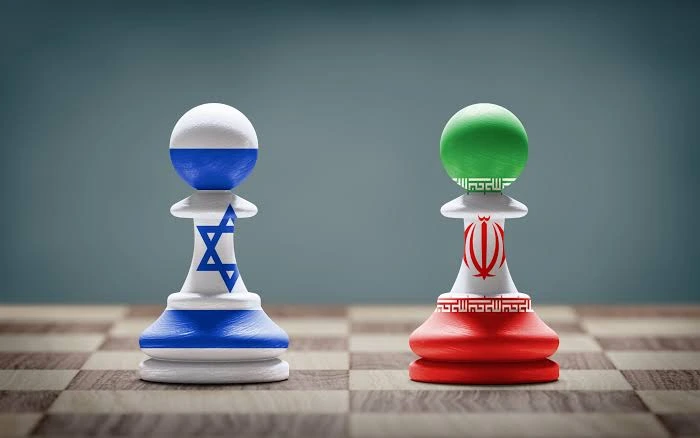
Israel’s Iran Strategy Has a Diplomatic Blind Spot
Israel’s repeated clashes with Iran all boil down to one message: leaders warn the clock is ticking, Iran is racing toward a bomb, and the only way to stay safe is striking first. But if you look beyond those soundbites, you see something pretty unsettling. Iran hangs out on the edge of going nuclear, but the real barrier has never just been about numbers, centrifuges, barrels of enriched uranium, how fast they can assemble it. That is just the technical side.
American intelligence keeps saying Iran got the knowhow to get right up to the line, but has not actually stepped over it. Why? Not because it is physically impossible, but because it is strategic, Tehran hesitates to cross that line for good reasons: regional deterrence, wanting the regime to survive. Despite six months of airstrikes and sabotage, nobody has managed to reinforce that political barrier. Bombing sites does damage, sure, but the intelligence updates are blunt: Iran could still build a weapon at roughly the same speed if its top leaders gave the nod.
There is a lot of uncertainty about just how much uranium Iran is really got, and there has been more public debate inside Iran about turning nuclear capability into a real weapon. And this escalation has not stayed contained. Fighting is spilled over into the Strait of Hormuz, shipping is been thrown into chaos, and frankly, Israel is standing with Washington looks battered. That leads to a tough question: is ditching negotiation for military action actually making Israel safer, or has it just isolated Israel while Iran is core nuclear options remain untouched?
For ten years, the one approach that actually set clear limits on Iran is nuclear ambitions was diplomacy. The Joint Comprehensive Plan of Action, the 2015 Iran deal, cut Iran is stockpiles, capped enrichment, and brought in inspectors from the International Atomic Energy Agency. Both the IAEA and Western intel said Iran was sticking to its side of the bargain. But the U.S. walked out in 2018, slapped on heavy sanctions, and Iran slowly tossed its commitments. Israel pushed hard for that, and now, with diplomacy completely off the table, leaders need to take a hard look at the long term consequences.
Meanwhile, there is a diplomatic option just sitting there. Every year since 2019, regional states gather in New York for the United Nations Conference aiming for a Middle East free of nuclear and other weapons of mass destruction. The next round is in November, Arab countries show up, Iran shows up. Israel keeps getting invited, but always skips.
Israel argues that denuclearization cannot be separated from the whole regional security picture. Leaders insist deals have to happen with everyone is consent, and states should not be expected to drop crucial defenses while enemies remain nearby. Israel does not want its secret nuclear posture singled out either, missiles, chemical weapons, proxy armies, all should be part of the negotiation. That makes sense. You cannot ignore the wider threats. But using that as a reason to boycott the talks altogether feels like dodging the issue. Arab states see endless conditions from Israel, as though the table will never actually open to discuss what matters. Peace, confidence building, arms control, and disarmament, they can move forward together. More warfare just increases the need for real dialogue, agreed rules, and verification.
Showing up at the November conference does not mean Israel has to give away its arsenal or sign the Nuclear Non Proliferation Treaty, or let go of its policy of keeping quiet about nukes. There is no binding treaty. Everything happens by consensus, so nobody can force Israel to accept anything. Israel is concerns, missiles, delivery systems, security deals, are already on the agenda. If the country wants those challenges addressed, leaders need to get involved.
Attending would help build trust. Israel could talk directly with Arab neighbors and Iran about weapons of mass destruction, without being boxed into a predetermined outcome. It would force others to treat Israel as an equal, legitimate partner, which, even if it is not full normalization, changes the game in regional diplomacy. Some Arab states still link full ties to resolving the Palestinian issue, but joining the conference gives Israel new standing.
The U.S. skips the conference too, blaming Israel is absence and lack of full regional buy in. If Israel switches gears and decides to join in, the U.S. could follow. After the next Israeli election, the new government could invite Washington to team up in New York. After years of destructive clashes with Iran, this move would signal diplomatic maturity, and would not demand giving up key defense principles.
History actually backs this up. In the 1990s, Israel took part in big regional arms control talks with Arab countries. Between 2013 and 2014, it joined WMD conference discussions; Iran was present in some sessions. From 1980 onward, Israel regularly endorsed UN resolutions supporting a nuclear weapon free Middle East, always careful to lay out its conditions first. So, attending the upcoming conference does not break tradition; it revives it, while laying out Israel is reservations loud and clear as the process unfolds.
Meanwhile, the region is not waiting around. Saudi Arabia is ramping up its civilian nuclear tech and cutting deals with Pakistan. Iran keeps reassessing its position. More military flareups look likely. Sitting out these talks will not magically keep Israel is options open. If Israel stays absent, others will shape the region is reality, and eventually, Israel will have to deal with the results.
The next government needs to show up with concrete security demands and clear proposals. It should push Washington to join. There is no threat to Israel is security by participating; actually, staying away is harder to justify than stepping in and defending core interests. In today is tense Middle East, being absent just is not a strategy. It is an excuse.