
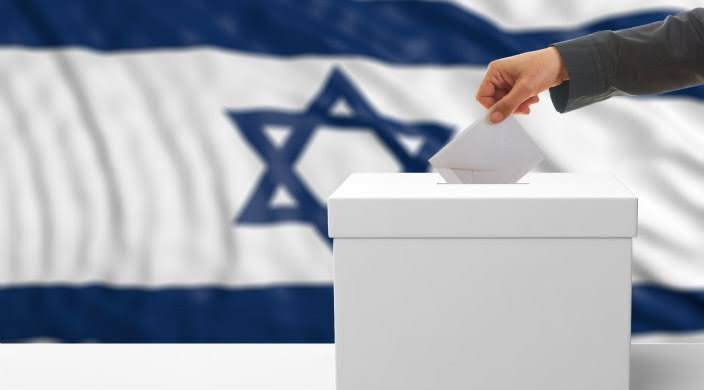
When Prime Minister Benjamin Netanyahu steps up to speak at the UN General Assembly, people in Israel brace themselves for his classic show of big picture thinking. They expect hard hitting words about Tehran, strict warnings for regional proxies, and, of course, a strong defense of Israel’s stance on the world stage. But this time, Netanyahu spent a surprising chunk of his address going after a much closer, and frankly unexpected, target: New York City Mayor Zohran Mamdani. Standing at the podium, he singled Mamdani out, accusing him of encouraging antisemitism, rubbing elbows with extremists, and making Jewish residents of New York feel unsafe.
This spat between Jerusalem and New York City Hall has ramped up fast. Netanyahu’s Likud party hit the streets with a flashy billboard campaign showing Mamdani alongside a lineup of regional leaders and well known critics of Israel, plastered with the phrase, “They want Netanyahu to lose, don’t let them win.” If anything, this spectacle forces voters to ask: Is feuding with the mayor of New York actually working for Netanyahu? Is it helping him shore up political support at home?
To really get what Netanyahu’s doing, you can’t just look at the headlines, you have to understand the bigger picture that Likud faces. Right now, polling shows Likud locked in a tough battle with opposition factions, barely holding onto a governing coalition. Everyday Israelis care about pressing homegrown problems: military exemptions, accountability for security lapses, tensions up north, and crucial diplomatic moves. On the surface, making a fuss about a municipal leader thousands of miles away seems disconnected from what people actually care about.
But here’s the thing: For Netanyahu’s campaign, targeting Mamdani isn’t really about New York at all, it’s about Israeli coalition math. He has crafted the election narrative as a head to head bout, a clear choice between a solid right wing government and a left leaning coalition, beholden to opposed factions. The campaign boils down to a simple, repeated contrast: Netanyahu’s leadership versus everybody else’s. Inside that story, Mamdani fits perfectly as an outside villain. He’s the poster child, in Likud’s mind, for the alliance they want Israelis to fear, the team up of progressive Western leftists and loud anti Zionists. By going after Mamdani, Netanyahu isn’t trying to win over fence sitting centrists; he’s rallying his base and trying to reclaim right leaning voters who’ve drifted to rival parties.Netanyahu’s approach here isn’t new. He’s spent decades mastering this kind of play, casting himself as the lone leader willing to face international foes head on. It builds his image as Israel’s number one defender, standing tall against a world that’s often critical, or even hostile. When Mamdani criticized Israeli actions and pushed for international consequences, Likud saw a chance to spin it as a mini drama about the broader global challenge. The message blares: The world is tough, and only Netanyahu has the experience and stamina to handle it.
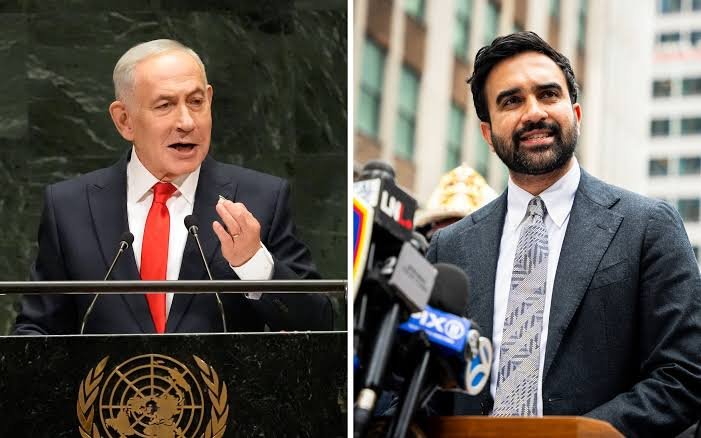
Still, despite the careful logic behind this strategy, its actual impact seems pretty weak. Political analysts say that targeting foreign municipal leaders just doesn’t move the needle the way it used to. Israelis tune in for a minute, maybe talk about it, but their attention quickly snaps back to urgent domestic issues. The billboard campaign made a splash and then vanished from the news cycle, barely registering on the political scale. People’s real opinions are still tied to what affects their everyday lives: security, the economy, and trust in the government’s competence.
In the end, this focus on Mamdani feels like a campaign searching for traction. Grandstanding against foreign critics might score a couple of quick wins with committed supporters, but it rarely nudges the country as a whole. Israelis stay grounded in local realities, their borders, their safety, their daily struggles, not in symbolic battles playing out in New York. The Mamdani feud is just another chapter in Netanyahu’s ever evolving political toolkit, but it’s unlikely to change the deeper story playing out at home.