
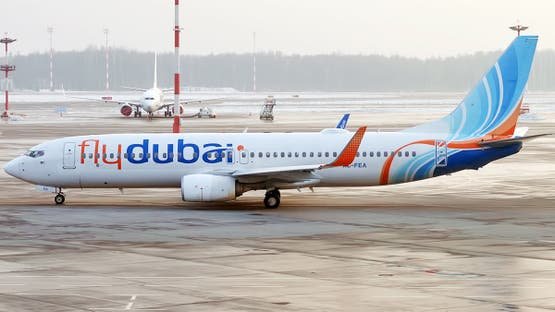
What happened on flydubai flight FZ 1073 jolted the region, a stark warning that something is off in the way Gulf airlines think about security. A first officer, originally from Oman, stabbed the captain mid flight. The plane nosedived 17,000 feet before a mix of off duty crew and gutsy passengers, several of them Israeli, managed to wrestle him down. The plane made a forced landing at Tabuk Airport in Saudi Arabia. Saudi authorities took charge from there, treating the wounded and taking care of all 174 passengers. It was a surreal scene that quickly grabbed the eyes of prime ministers and defense chiefs, who labeled it a foiled terror attack. But to stop there is to miss the bigger lesson. The real takeaway goes way beyond this one horrifying event. What it truly revealed is a quiet but dangerous vulnerability threaded through Gulf commercial infrastructure, a hole that Israel and its partners simply can’t look past.
For years, defense in the Persian Gulf meant putting a premium on pricey hardware, radars, anti missile systems, warships patrolling the Strait of Hormuz. These were the chess pieces that kept tensions in check. But what happened over Tabuk flipped the script. Now, adversaries seem to have shifted their focus. Instead of saboteurs with bombs or enemies launching missiles, the new danger is the trusted insider, someone who bypasses every billion dollar barrier by working inside the cockpit. At that altitude, none of the usual sensors or air defenses matter. The threat doesn’t have to be a big state conspiracy either. An individual radicalized in secret, or maybe someone nudged by foreign operators, can deal a psychological blow that shakes the region’s sense of safety more than any missile barrage.
This is a game changer. Instead of classic military provocations, hostile forces are probing everyday systems, like commercial flights, because even a low tech attack inside those trusted networks packs an outsized punch. In the Middle East, flights between Israel and the UAE aren’t just business as usual. They’re flying testaments to the Abraham Accords and the region’s push for economic unity. Messing with those routes instantly rattles public nerves, slams tourism, and throws a wrench in fragile partnerships at all the worst moments.
Naturally, Israel is watching all of this with heightened alarm. It’s a country that’s built its reputation on world class aviation security, tough background checks, multi layer screenings, a network of air marshals. The system works well when Israelis fly with their own carriers. But the moment they step on a foreign airline, they’re vulnerable to whatever standards (or gaps) those operators carry. The idea that a trusted flight officer could try to crash a plane full of civilians isn’t just disturbing, it’s a brutal reminder that Israel’s security net is only as strong as the region’s weakest airline.

What happened after FZ 1073 hit the ground in Saudi Arabia surprised just about everyone. Even without official diplomatic relations, the Saudis let the Israeli laden plane land, rushed medical crews to the scene, and helped get everyone home. That quick, pragmatic cooperation broke through years of cold formality. For a moment at least, basic decency and the urgency for safety overrode politics. Still, you can’t leave aviation security to luck and goodwill. That story could have ended very differently, and hope isn’t a game plan.
So, what now? If the region wants to turn this near catastrophe into a true turning point, leaders in the Gulf and Israel need to rip up the old playbook on commercial air security.
First, the rules around cockpit safety need a complete do over. Relying on trust alone is outdated. On every regional carrier, there needs to be a strict rule, always at least two people in the cockpit, preferably backed up by trained air marshals, especially on sensitive routes.
Second, intelligence needs to move at the pace of risk. Right now, most information sharing between Gulf airlines and Israeli security is slow and often after the fact. That has to change. They need real time, automated systems that flag security concerns the moment they pop up, whether it’s a sudden change in a crew member’s background, signs of radicalization, or any new red flags for both air and ground crews. That’s how you catch threats before they ever step onto the tarmac.
Third, background vetting can’t just happen at scheduled intervals. These days, a lot can change in a person’s life in a matter of weeks or months. Airlines need systems that continually check up on their people, not just criminal records, but behavioral and psychological signs too. This constant verification keeps the cockpit in safe hands all the time, not just when someone filed their last background check.
Fourth, civil aviation and military defense need to get on the same radio frequency, literally. If a flight triggers emergency codes (like 7500 for hijacking), air defenses should scramble right away. No bureaucracy, no delay. Quick response is what keeps a problem from turning tragic, especially if a rogue plane is heading near populated areas.
Last, airlines can’t just focus on pilots and cabin crew. The supply chain runs far deeper, maintenance, recruitment, catering, ground handlers. Every one of these groups is an opportunity for trouble if they aren’t screened and audited as rigorously as flight crews.
What happened on flydubai FZ 1073 is a crossroads moment. Off duty crew and quick thinking passengers stopped a disaster, but region wide, luck and heroism aren’t strategies to bet the future on. The hostile forces looking for cracks in the system won’t stop here. It’s time for Israel and its Gulf partners to slam those cracks shut, for good. That’s the only way to turn a near tragedy into the foundation for a stronger, safer, and more resilient network of aviation and economic ties across the Middle East.