
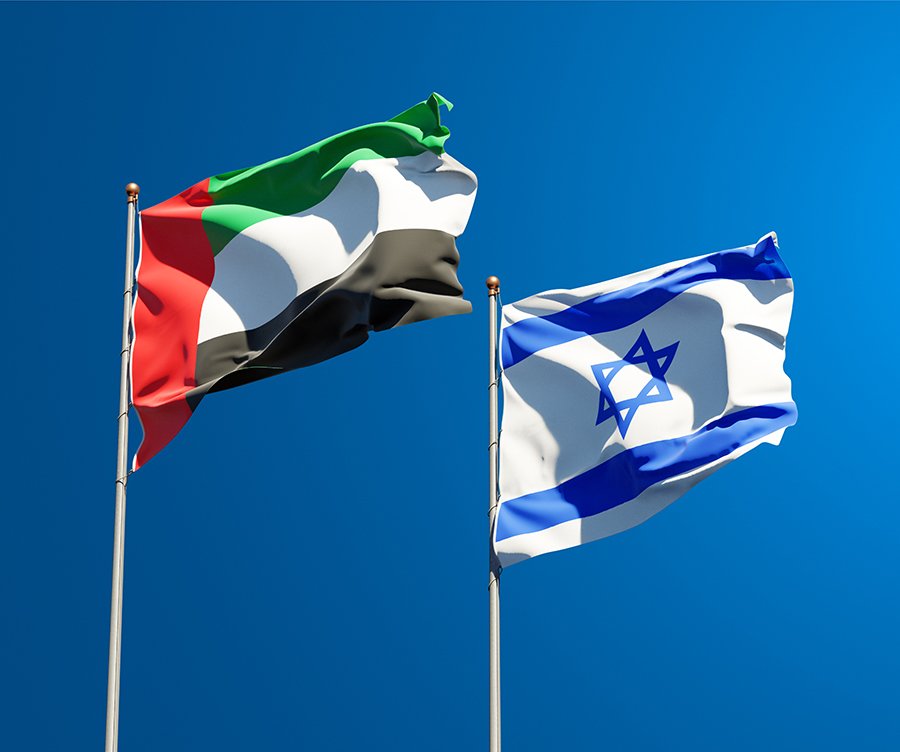
For years, public diplomacy surrounding the Abraham Accords was carefully crafted to project seamless regional integration, shared strategic alignment, and genuine public warmth. The image of Israeli leadership landing in Abu Dhabi was meant to signal a profound transformation of the Middle East, proving that regional peace could flourish independent of the intractable Israeli-Palestinian conflict. Yet, Prime Minister Benjamin Netanyahu’s six-hour lightning visit to the United Arab Emirates on Sunday offered a starkly different narrative. It exposed a relationship strained by campaign pressures, deep personal friction, and the shadow of pre-October 7 security warnings that Jerusalem is desperate to manage.
The logistics of the brief trip speak volumes about the state of affairs between the two leaderships. Landing shortly after noon and departing Abu Dhabi by evening, Netanyahu spent barely four hours engaged in formal talks with UAE President Mohammed bin Zayed Al Nahyan. Official sources confirm the primary agenda was the shared threat posed by Iran and its regional proxies. On paper, security alignment against Tehran remains the operational anchor keeping the Abraham Accords intact. But the heavy diplomatic maneuvering required to pull off this brief encounter reveals that the political framework around this security partnership is fraying.
This was not a longplanned, mutually celebrated state summit. It was the product of intense, repeated pressure applied directly by Netanyahu and his political circle. The backdrop was an earlier scheduled visit that was abruptly canceled at the final moment, with Emirati officials claiming MBZ was out of the country. That excuse was quickly undermined when local checks showed the UAE leader was sitting in Abu Dhabi. The sequence of lastminute cancellations, claims of absence, and eventual reluctant acquiescence paints a picture of a host being dragged to a meeting he preferred to avoid.
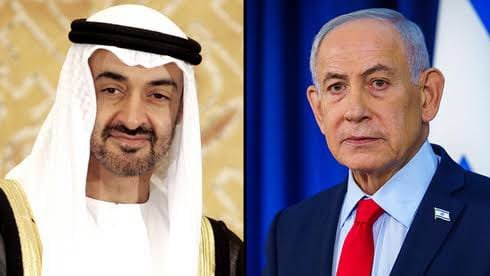
The driving force behind Netanyahu’s relentless push for this photoop lies squarely in domestic Israeli politics. With upcoming elections on the horizon, a highprofile diplomatic breakthrough in Abu Dhabi serves as a critical campaign narrative. Netanyahu has long presented himself to the Israeli electorate as the master statesman, uniquely capable of forging peace with Arab nations without offering territorial concessions. Reestablishing his presence alongside MBZ was designed to project international legitimacy and strategic mastery at a time when domestic political pressure is at a fever pitch.
However, the Emiratis are acutely aware of the political calendar in Jerusalem. Leaders in Abu Dhabi have no desire to serve as props in an Israeli political campaign or appear to endorse Netanyahu’s electoral prospects. The total silence from official Emirati state media following the visit underscores this deliberate distance. While Israeli news outlets immediately detailed flight times and security discussions, the UAE issued no official press releases, carried no state television coverage, and offered zero public confirmation. For Abu Dhabi, the meeting was a pragmatic, quiet transaction on regional security, not a public celebration.
Complicating this political dynamic is the lingering controversy over reports that MBZ personally alerted Netanyahu weeks prior to the October 7 massacre. Claims in recent book releases suggest the Emirati leader explicitly warned of an impending earthquake originating from Gaza, a warning Netanyahu’s office has repeatedly denied. Navigating these sensitive revelations has added a layer of personal distrust to an already delicate diplomatic relationship. The tension over who knew what, and when, looms over every conversation between Jerusalem and Abu Dhabi.
The fundamental issue revealed by Sunday’s sixhour excursion is the growing gap between transactional intelligence cooperation and public political legitimacy. Israel and the UAE continue to share vital strategic interests, particularly regarding air defense integration, maritime safety, and countercontainment strategies against Iranian proxies. When Iranian threats escalate, the security establishment in both nations acts with quiet, cold efficiency. Intelligence sharing remains active because both sides recognize that their core national security interests are deeply intertwined in an unstable region.
Yet, strategic alignment against a common enemy cannot fully mask the political reality. The Abraham Accords were constructed on the premise that normalization would bring both mutual defense benefits and visible, warm public diplomacy. When an Israeli prime minister must apply heavy international pressure simply to secure a fourhour window on the ground, and when the host government refuses to even acknowledge the visit took place, the public pillar of that peace is clearly compromised.
The contrast between the initial euphoria of the 2020 signing and today’s transactional coldness is stark. The vision of warm peace, characterized by booming tourism, joint cultural ventures, and frequent highlevel public visits, has increasingly given way to cold, calculated realpolitik. The ongoing war in Gaza and regional instability have made public warmth politically costly for Gulf leaders, who must navigate domestic public opinion that remains highly sensitive to the Palestinian issue.
For Israel, relying solely on shared security anxieties to sustain its most important regional alliance is a risky longterm strategy. Defense cooperation can keep communication channels open during an acute crisis, but it does not build durable political capital. When Israeli leaders treat Gulf monarchies primarily as campaign stops or photo opportunities to deflect from domestic political challenges, they risk alienating the very partners who made peace possible. Strategic relationships require nurturing, mutual respect, and a clear understanding of each party’s internal political constraints.
The brief visit to Abu Dhabi managed to get the two leaders into the same room to talk about Iran. But the circumstances surrounding the trip serve as a clear warning sign for Jerusalem. Tactical security coordination remains functional, but the broader political warmth that once defined the Abraham Accords is being replaced by cold, calculated distance. Israel cannot afford to take these relationships for granted or assume that regional security fears will forever override diplomatic frustration. Real strategic depth requires mutual trust, public credibility, and respectful statecraft, not just forced visits and unacknowledged flights in the dead of night.