A missile barrage can be intercepted in minutes. A strategic constraint can take years to reverse. That is why growing concerns within Israel’s defense establishment extend far beyond the latest exchange with Iran. The real fear is that Tehran is slowly building a framework that could restrict Israel’s ability to operate independently across multiple fronts in the future.
The discussion taking place within Israel’s security apparatus is not essentially about a ceasefire in Lebanon or a suspension of operations against Iran. The discussion is rather on whether Iran has started to succeed in imposing a new regional balance where any clash in relation to Hezbollah, Lebanon, Syria, or Iran forms one single theater of operations. If that were to happen, the implications will be felt by Israel in much bigger terms than the immediate situation at hand.
From the onset of October 2023, Israel began expanding military activities on several fronts. This operation brought about a reduction in the strength of Hamas in Gaza, the destruction of military infrastructures of Hezbollah in southern Lebanon, attacks on Iranian forces and networks in Syria, and direct attacks against Iran. Strategically, from an Israeli viewpoint, some of the greatest successes achieved by Israel in this period include none that have to do with territory or tactics. They involve operational freedom of choice.
Freedom to react quickly against imminent threats has been considered one of the major advantages that Israel has enjoyed strategically. In contrast to bigger nations, Israel does not have any depth and hence needs deterrence, intelligence dominance, and preemption. Inability to take quick action against impending dangers is an exposure to the enemy.
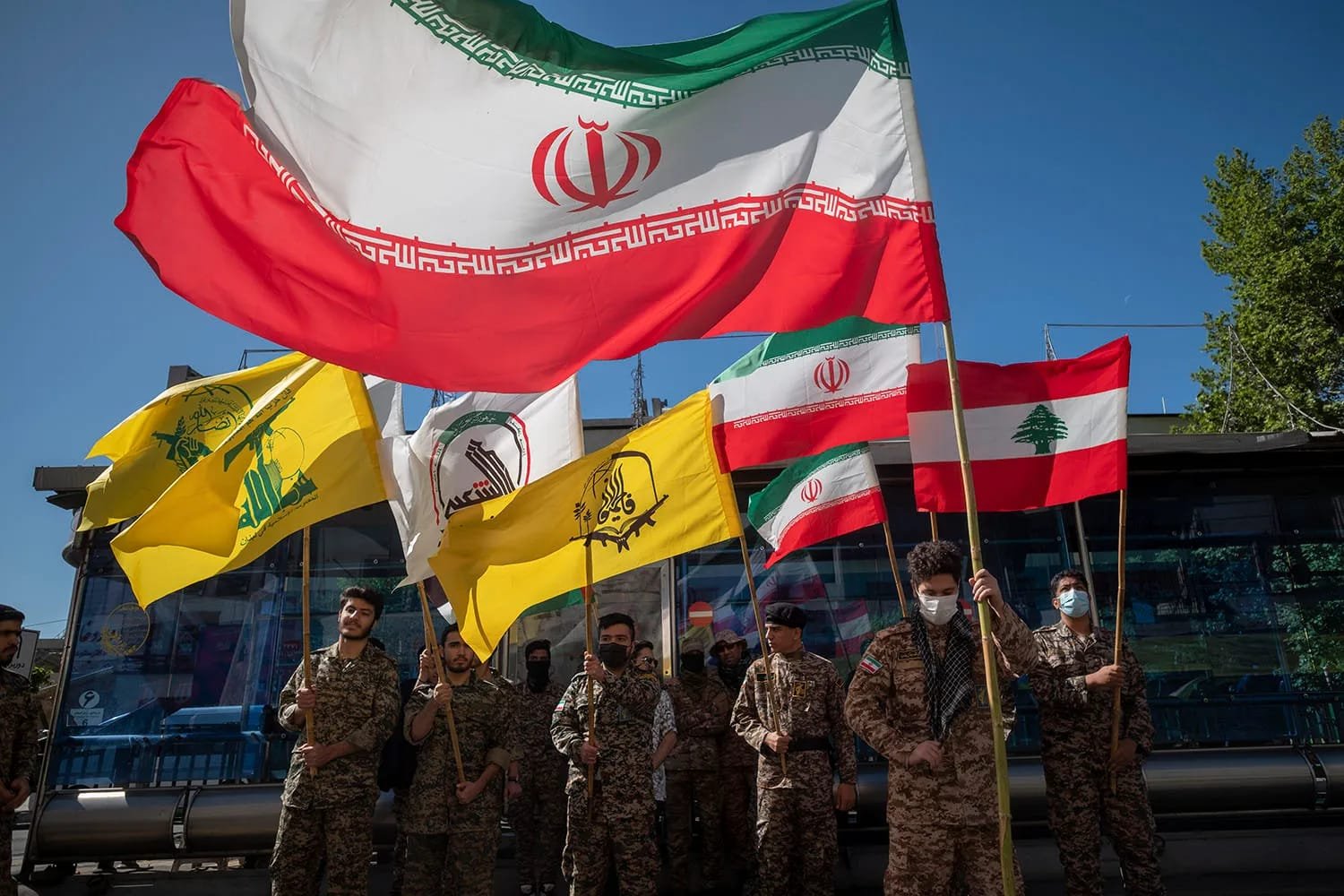
The alarm raised by defense officials indicates that it is exactly this goal which Iran is now actively working to achieve. Instead of trying to attain a position of military equivalence with Israel, it seems as though Tehran is trying to create political and strategic links across different theaters. The Israeli attack on Hezbollah would no longer be considered a local incident but a confrontation with Iran itself.
This would certainly constitute an important step forward for Iranian strategy. For quite some time now, Tehran has focused on what security experts term the “Axis of Resistance”, a broad alliance of groups and militias that runs from Lebanon all the way through Iraq, Syria, Yemen, and Gaza. Typically, this axis gave Tehran the necessary depth and cover. Nowadays, it looks like Iran is trying to do something else, turn all these different theaters into a unified deterrent system.
This process is quite simple. Since any move against Hezbollah threatens the onset of conflict with Iran, and any action against the Iranians threatens retaliatory action from elsewhere in the region, Israel’s strategic options become limited. Tactical considerations in warfare become entangled in the larger issue of escalation.
This issue has great relevance because it transcends military issues alone. Freedom of action in strategy is determined not only by military power but also by political legitimacy. In light of this, the international community might exert more pressure on Israel to stop its actions despite their legitimate justification if it views regional conflicts as interlinked.
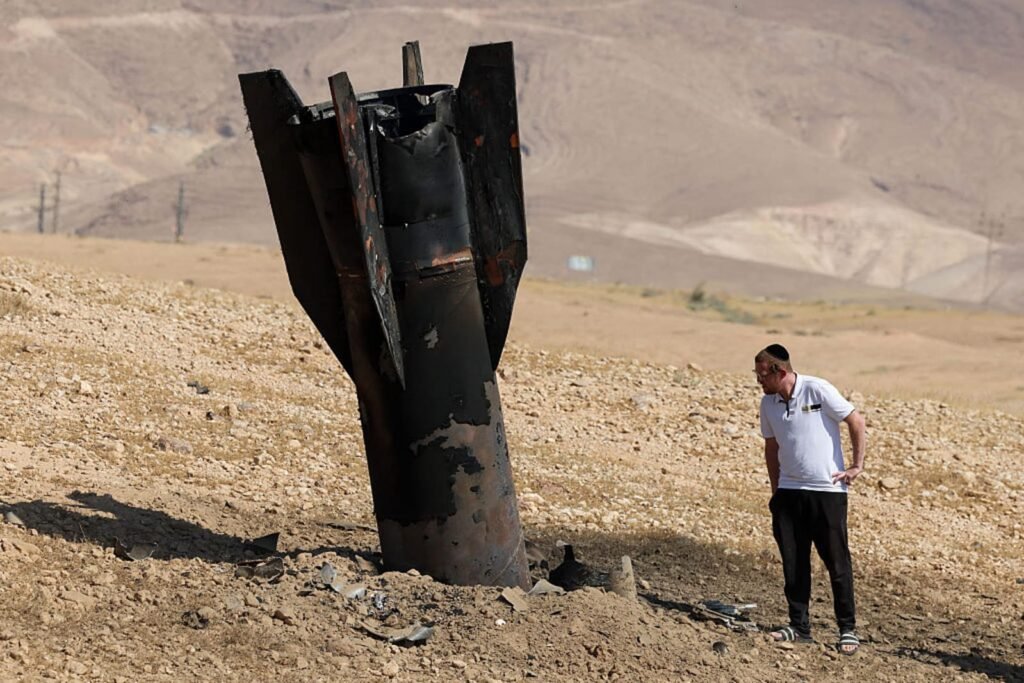
It could well be that the goal of Iran is not defeating the Israelis militarily, but slowly changing the nature of the battle space until Israel’s ability to operate strategically becomes increasingly limited. In many respects, this strategy fits with the overall tactics of Iran elsewhere in the Middle East
.Implications go far beyond Lebanon as Syria remains an important passage for arms shipments from Iran. Iraq is home to several Iran-backed paramilitary groups. And the Houthis still pose problems for regional sea security. But if Israel decides to engage in an operating scenario that would require automatic assessments of all other scenarios at once, things will only get harder.
However, at the same time, Israeli politicians walk a fine line between these two options. Any increase in military activities just for the sake of freedom of action can be risky as well. Thus, the task is not only to ensure freedom of action but also not to get stuck in a continuous process of confrontation.
In the end, the message emanating from Israeli defense circles highlights the underlying strategic truth. The defining struggle with Iran is no longer just over missiles, drones, enrichment capabilities, or proxies. It is becoming one where it is more about who determines the rules of the game in the region.
This is precisely why the discussion currently taking place within the Israeli defense community is so important. It is not about whether Hezbollah still poses a threat or whether there is a ceasefire in effect. It is about whether Israel will be able to maintain the flexibility that is long formed a key part of its security strategy, or whether the region is moving into a time when Israel’s enemies set the rules of engagement.