
Geopolitical Analysis & Societal Briefing | European Institutional Drift, Foreign Policy Realignment, and Israeli Resilience
1. A Surreal Contrast: Western European Paralysis vs. Israeli Purpose
Stepping off a flight into contemporary Britain, or crossing the Irish Sea, often triggers a genuinely surreal sense of displacement for Israelis who used to view these European capitals through a lens of historic familiarity and cultural kinship. Recent travels across these places, alongside an expanding bloc that now includes Spain and Sweden, reveal societies going through some pretty profound structural shifts. Traditional values have faded, replaced by growing social fragmentation, institutional drift, and an entrenched, suffocating wave of hostility toward Israel. For anyone returning to Europe after building a life in Israel, the contrast feels stark. Israel deals with relentless geopolitical pressure and active multi front conflict, sure, but it remains a genuinely vibrant society anchored by a clear sense of collective purpose. Western European capitals, by contrast, feel increasingly unmoored, weighed down by political polarization and a deepening moral confusion.
2. British Administrative Drift: Porous Borders and Domestic Strain
The decay is probably most visible in the administrative paralysis and demographic strain shaping modern Britain. Consecutive governments have struggled to govern effectively as porous borders and uncontrolled migration flows overwhelm public infrastructure. Recent government data shows thousands of asylum seekers arriving on small boats over compressed weekly stretches, with a notable share involving young men from volatile places like Iran. Security agencies face genuinely immense challenges monitoring potential insider threats here, especially given the historical precedent of radicalized networks and outside state actors seeking retribution on British soil. Yet instead of addressing these underlying security and integration failures, political establishments frequently chase populist distractions or pander to whichever domestic faction is loudest at the moment.
3. Institutional Rot: Scapegoating Israel for Domestic Consumption
This domestic disorientation bleeds directly into foreign policy and cultural attitudes, especially around the Middle East. Institutional rot has spread into spaces that should stand as bulwarks of moral clarity. Mainstream religious and political institutions have largely caved to aggressive anti Israel narratives. When senior figures inside traditional religious hierarchies display sympathetic imagery tied to historical architects of terrorism, or endorse one sided accusations echoing the rhetoric of hostile regional actors, that signals a real collapse in objective judgment. Mainstream political appointments cement this shift further. Figures known for antagonistic stances toward Israel keep getting elevated into positions of real legislative influence, institutionalizing a diplomatic posture that treats Israel not as a democratic ally facing existential terror, but as a convenient scapegoat for domestic political consumption.
4. The Anti-Israel Axis: Unilateral Actions in Dublin, Madrid, and Stockholm
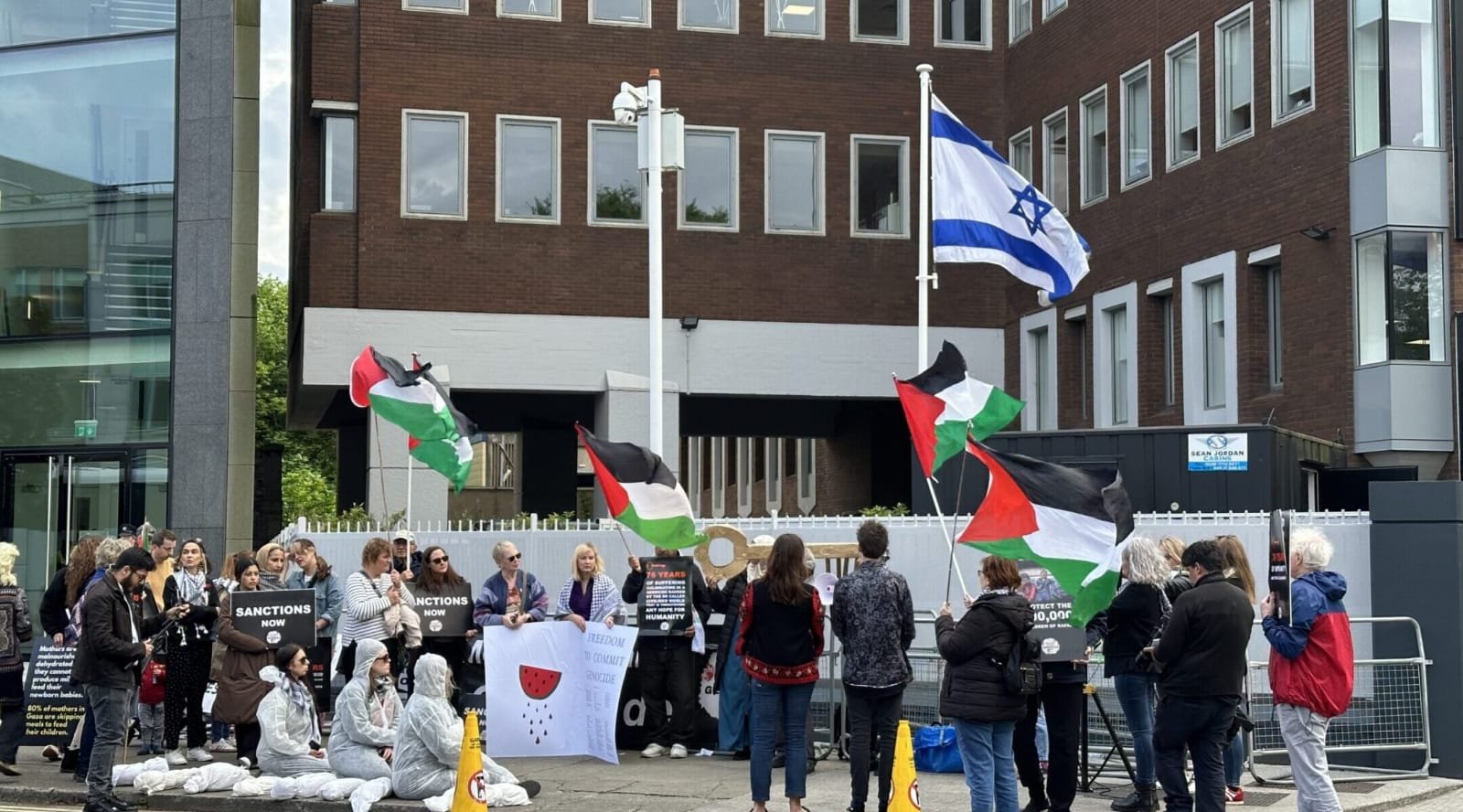
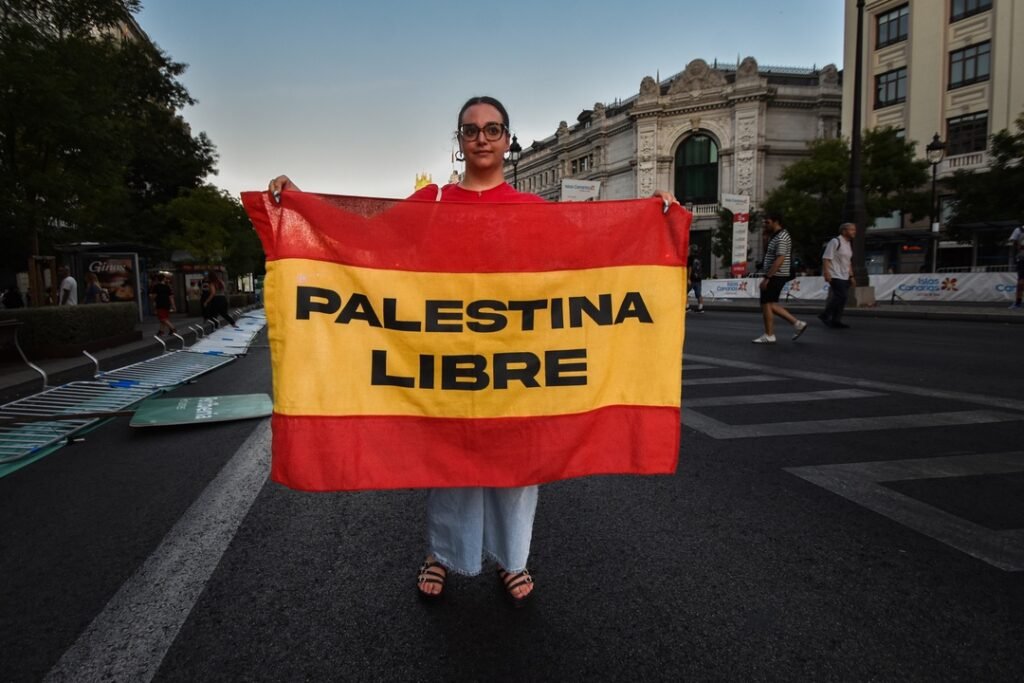
Crossing the Irish Sea offers no real relief either, since Dublin has firmly settled in alongside Madrid as an ideological capital of European hostility toward Israel. The political landscape across Ireland and Spain has shifted decisively, culminating in sweeping policy moves, unilateral state recognitions, and legislative campaigns aimed at restricting trade or boycotting defense partnerships. For the Spanish and Irish political establishments, institutionalizing a posture of diplomatic hostility toward Israel has become an easy way to signal moral virtue on the world stage while sidestepping the complicated realities of Middle East security. The systematic rejection of Israeli technology, the championing of punitive international legal maneuvers, and the uncritical amplification of hostile propaganda all reflect something deeper than ordinary diplomatic disagreement. Sweden rounds out this northern European bloc, frequently aligning with restrictive consensus measures at the EU level targeting Israeli governance and settlement policy.
5. Historical Ambiguity: Multilateral Appeasement and Selective Blindness
The policy shifts happening in Madrid and Dublin are particularly striking given the historical backdrop of both countries. Spain, which took decades to establish full diplomatic ties with Israel after the Franco era, has increasingly aligned its foreign policy with vocal critics of Israel, using international forums to advance measures that isolate the country. Ireland has similarly maintained a distinct posture within the EU for a long time, frequently taking positions that disproportionately single out Israeli actions while overlooking the complex web of regional aggression orchestrated by proxies tied to Tehran and beyond. This coordinated diplomatic pressure reflects a broader continental malaise, where multilateral institutions and national capitals alike find it politically convenient to appease anti Israel sentiment at home and abroad.
6. Double Standards in Public Life: Academic & Municipal Friction
On top of that, hostile rhetoric has become mainstream inside academic institutions, municipal governments, and cultural organizations across these countries, creating an increasingly hostile environment for Jewish communities. Campuses that should foster open intellectual inquiry have too often devolved into echo chambers of ideological conformity, where Jewish students and faculty face intimidation dressed up as political activism. Local councils routinely pass symbolic motions targeting Israeli institutions, effectively importing Middle East geopolitics into municipal governance while ignoring severe human rights crises playing out elsewhere in the world. This kind of obsessive focus reveals a persistent double standard that keeps poisoning public discourse across Western Europe.
7. Grassroots Counter-Currents: Individual Courage and Cultural Support
Still, amid all this gloom across the British Isles and continental Europe, occasional glimmers of individual moral courage manage to break through. Longtime cultural figures, like musician Boy George, have used their platforms to release genuinely moving artistic tributes expressing full solidarity with Israel and the victims of the October massacres, proving that grassroots empathy still survives underneath the toxic political crust. Independent journalists, civil society voices, and quiet networks of supporters also keep pushing back against the prevailing orthodoxy, showing that public opinion isn’t entirely monolithic after all.
8. National Purpose: Sovereign Clarity vs. European Amnesia
For Israelis visiting these changing places, the final takeaway is both sobering and, in its own way, reassuring. Europe is wrestling with ghosts of its own making, caught in a downward spiral of demographic anxiety, institutional timidity, and historical amnesia. Coming back to the sovereign home of the Jewish people isn’t just a geographical trip. It’s a welcome return to clarity, resilience, and a sense of national purpose that doesn’t waver. While European capitals drift further into self righteous paralysis, Israel stands firm, well aware of its own challenges and fiercely protective of its future all the same.