Geopolitical Analysis & Counterterrorism Briefing | Hybrid Border Pressure, Mediterranean Security, and Sovereign Alignment
1. Strategic Border Signaling and Mediterranean Geopolitics
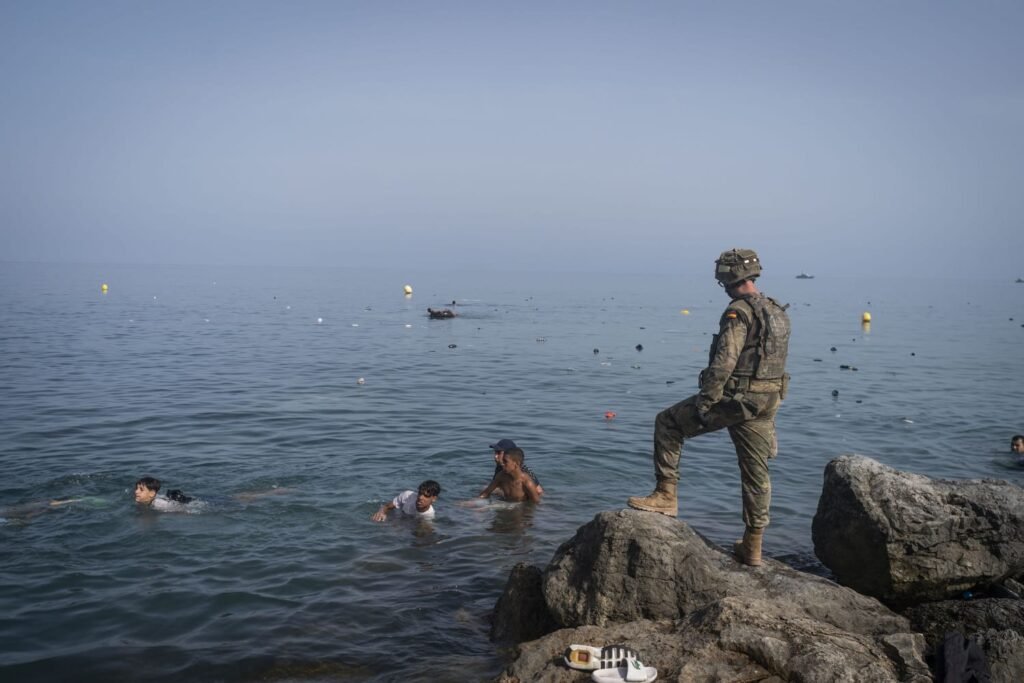
The sudden, overwhelming surge of tens of thousands of migrants crossing into the Spanish enclave of Ceuta is a lot more than just a localized humanitarian emergency or a routine migration dispute. It’s a pretty stark reminder that in today’s geopolitics, borders often become the canvas where much bigger strategic messages get painted. When thousands of people flood coastal breakwaters and overwhelm security fences within a matter of hours, it exposes exactly where regional ambitions, historic grievances, and shifting superpower alignments collide. For anyone watching from Jerusalem or Washington, this crisis on the southern shores of the Mediterranean shows just how fast economic pressure and diplomatic realignment can spark a genuinely volatile flashpoint.
2. Competing Historical Frameworks and the Western Sahara Pivot
To actually understand what happened here, you have to look past the chaos at the fence itself and look at the bigger chessboard sitting across the Western Mediterranean. Morocco and Spain share a deep, genuinely indispensable economic relationship, but it stays permanently constrained by competing historical narratives and old geopolitical rivalries. Spain views Ceuta and Melilla as sovereign territory that predates the modern Moroccan state entirely, while Rabat holds onto long standing territorial claims over these North African outposts anyway. Underneath that friction sits the real centerpiece of modern Moroccan foreign policy, locking in full sovereignty over Western Sahara. For decades, Morocco has used its diplomatic and economic weight to push for international recognition of its position on that territory, reshaping regional dynamics across the Maghreb in the process.
3. The Algiers Connection: Migration as a Lever of Statecraft
The timing of this recent border crisis is honestly a masterclass in how states send quiet diplomatic signals to each other. Just days before this massive influx overwhelmed the enclave, Spanish Prime Minister Pedro Sánchez made an official visit to Algiers, marking a real diplomatic thaw with Algeria. For Rabat, Algeria remains its main geopolitical rival for regional dominance in North Africa, which makes any warming between Madrid and Algiers a matter of real strategic sensitivity. Whether the wave of migration that followed was an orchestrated pressure tactic or just opportunistic exploitation of porous border controls, the message that landed in Madrid was pretty unmistakable either way. Borders remain flexible tools of statecraft, easily activated whenever a European capital drifts from preferred alignments or gets too close to a regional rival.
4. The Abraham Accords, Washington Integration, and Moroccan Modernization
All of this friction is playing out against a much bigger backdrop of shifting international alliances that touch directly on Israel’s own strategic interests. Following the Abraham Accords framework, Morocco locked in a privileged partnership inside Washington’s Middle East and North Africa security architecture, anchored by US recognition of its sovereignty over Western Sahara. Rabat has steadily diversified its global posture since then, building massive logistical hubs like the Tanger Med port, deepening ties with major Asian economies, and positioning itself as an essential bridge between Africa and the West. Prominent figures inside the Moroccan establishment, including veteran statesman André Azoulay, have long cultivated their own tradition of diplomatic moderation and dialogue, quietly keeping channels open between the Arab world and Israel even through regional storms.
5. Spain’s Foreign Policy Friction: Palestinian Recognition and Alienated Allies
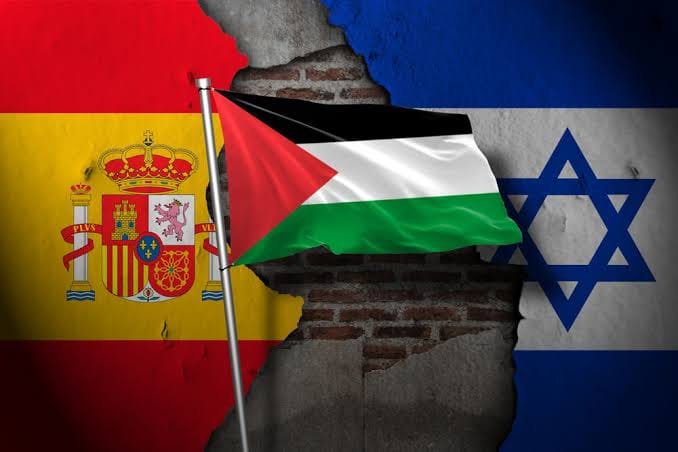
For Spain, navigating this whole tangled web of competing interests has become a genuinely difficult diplomatic balancing act, especially given recent friction with both Washington and Jerusalem. In the wake of the multi front conflicts that broke out after October 7, the Sánchez government took a noticeably critical stance toward the Israeli government, highlighted by Madrid’s formal recognition of a Palestinian state. Those policy shifts created real diplomatic strain with Israel and raised eyebrows among traditional allies in Washington, who tend to view regional stability through the lens of countering Iranian aggression and anchoring dependable partnerships. When a European state tries to balance domestic political pressure with foreign policy choices that alienate key strategic allies, its overall leverage in tense border regions inevitably starts to slip.
6. Physical Borders vs. Coherent Strategic Architecture
What happened in Ceuta shows that territorial integrity and national security can’t really be preserved through physical barriers and police deployments alone. They need a coherent, long term diplomatic vision that actually reads the balance of power correctly. With a population of around 84,000, including a historic Jewish community tracing its roots back centuries, Ceuta sits right on the front line of a much bigger contest between Europe and North Africa. As global alignments shift and middle powers assert themselves with growing confidence, European capitals are learning that old assumptions just don’t hold anymore. Real stability in the Mediterranean means recognizing that every border connects to a much wider network of alliances, and ignoring that reality invites exactly the kind of sudden, destabilizing crisis Ceuta just went through.
7. Humanitarian Toll and Exploitation by Smuggling Networks
There’s also a real human cost sitting underneath all this political maneuvering, and it’s worth pausing on. Reports confirming dozens of deaths among people trying to swim around breakwaters or scale security barriers show the desperation of individuals caught in the crossfire of geopolitical posturing they had no part in creating. When criminal smuggling networks exploit policy ambiguity, or when border enforcement gets deliberately loosened for strategic signaling, vulnerable people end up paying the ultimate price for it. Local authorities in Ceuta, already stretched far past normal capacity for housing and social services, were left managing an influx equal to a huge share of their entire population within hours. That kind of administrative collapse really highlights just how exposed European border enclaves sitting on foreign shores actually are.
8. Transatlantic Lessons: European Border Vulnerabilities and Domestic Politics
International reactions to the crisis exposed some real fault lines inside the EU too. While Madrid dealt with the immediate emergency, partner nations offered sharp criticism instead of support, and right wing populist movements across the continent jumped on the chaos to attack lax border management policies. Calls from certain corners of Europe to reconsider open border arrangements with Spain show just how quickly a migration crisis can get weaponized in domestic politics elsewhere. Meanwhile, leaders in Washington watched the whole spectacle through the lens of their own domestic electoral anxieties, pointing to European border vulnerabilities as a cautionary tale of what happens when a state loses control over its own sovereign frontier.
9. Strategic Takeaways for Israel: Realist Alliances in a Shifting World Order
At the end of the day, the way Spain, Morocco, Israel, and the United States all converge around this narrow maritime corridor proves that foreign policy decisions never really happen in a vacuum. Every diplomatic trip to Algiers, every recognition of sovereignty out of Washington, every shift in posture toward Jerusalem, all of it ripples out across the Mediterranean basin eventually. For Israel, watching these dynamics unfold offers a genuinely useful lesson about the importance of building alliances on real, mutual strategic value rather than fleeting diplomatic sympathy. As the region works through a genuine period of transition, the shores of Ceuta probably won’t just be remembered as the site of a humanitarian tragedy. They’ll likely be remembered as the exact spot where the fault lines of a changing world order collided out in the open for everyone to see.