
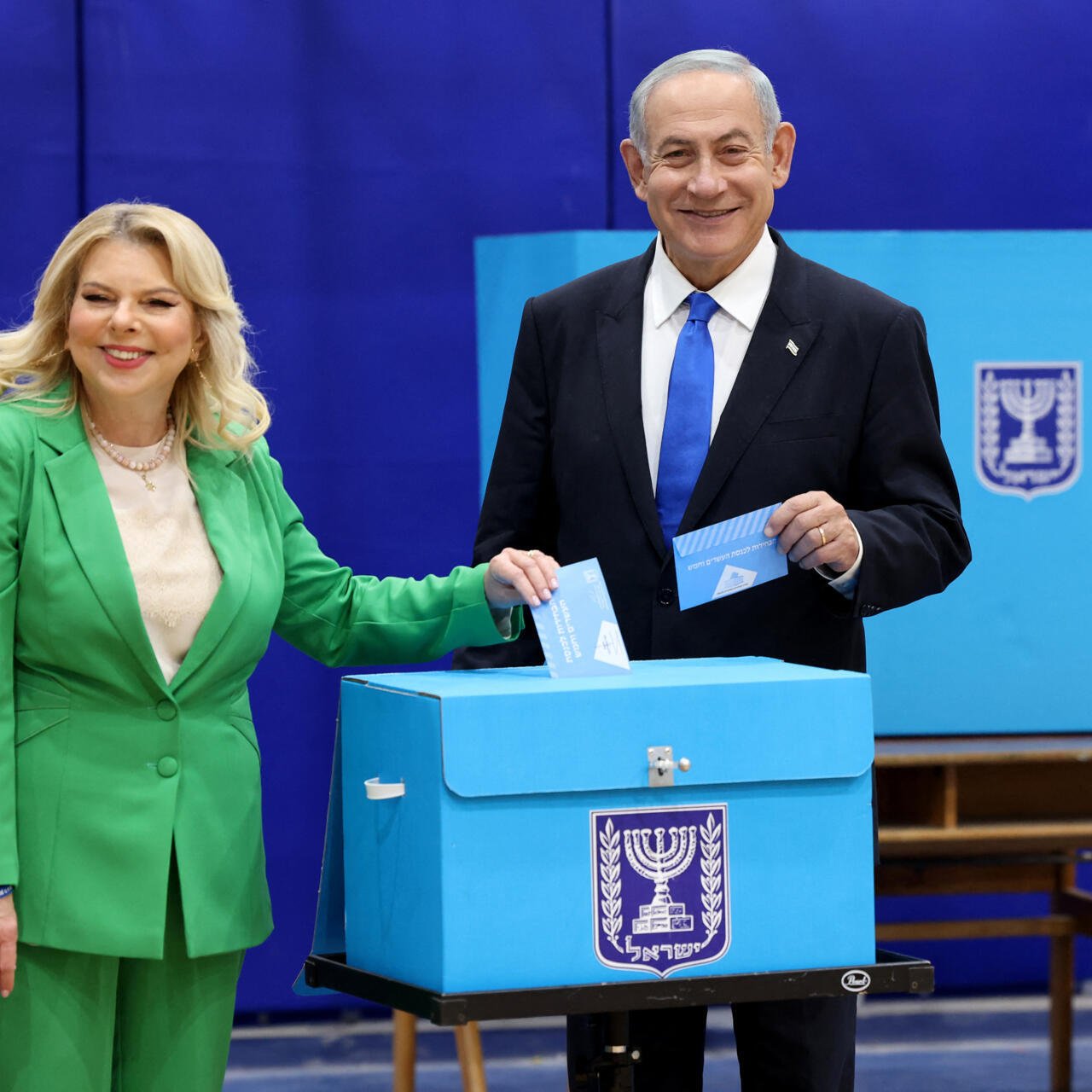
The most striking finding in the latest Israel Democracy Institute survey is not simply that most Israelis want Prime Minister Benjamin Netanyahu to step aside. It is the convergence of political fatigue, strategic uncertainty, and weakening external confidence all appearing at the same time. In a country where security perceptions usually stabilize political attitudes rather than destabilize them, the current pattern points in the opposite direction: security developments and political trust are now eroding each other rather than reinforcing stability.
The numbers indicating 61 percent of Israelis disapproving Netanyahu’s reelection campaign represent the familiar phenomenon of political polarization; however, the real meaning is in their magnitude, as the opposition is no longer only within the conventional Left or the Left-center. In fact, even among those considered to be center-right, the majority expresses frustration with long-term leader continuation. This means that there is not an ideological conflict involved in the question but rather frustration with years of crises of judicial reform debate, wars, escalating situation, and protest campaigns. In a comparative perspective of democracies, leader frustration arises not in times of peace but poly-crisis conditions.
At the same time, the survey highlights a parallel development that is equally consequential: declining confidence in U.S. President Donald Trump’s prioritization of Israel’s security. Only 44 percent now believe Israel’s security is a central consideration for Washington, down sharply from 60 percent just months earlier. This decline is particularly significant because Israeli strategic doctrine has long rested on the assumption of stable bipartisan or at least presidential reliability from the United States, regardless of domestic political shifts. Even if Washington’s military and diplomatic support remains intact, perception itself plays a strategic role in Israeli planning. Reduced confidence in U.S. reliability can increase Israel’s incentive to act more independently, yet paradoxically, it can also increase caution if leaders fear diplomatic friction.
Both elements together generate the kind of scenario known as the “compressed decision-making environment” that security experts refer to. Such an environment means that political leaders are faced with competing pressures from two sides: legitimacy issues on the domestic front, and the uncertainties of international support. This does not necessarily mean inaction; it just results in more dynamic cycles of decision-making.
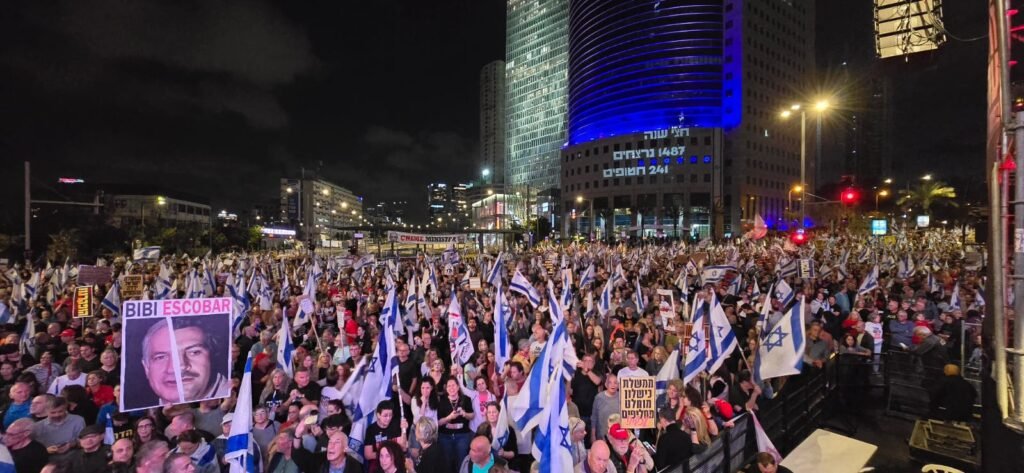
The poll also shows a third source of worry: a greater readiness on the part of Israelis to think of leaving the country if their preferred coalition fails to seize power. Though 17 percent of Israelis in total are open to emigrating, this figure is much higher for those who identify themselves as being secular or on the political Left. This phenomenon, while still not migration, is evidence of eroding faith in political stability. In the past, Israeli society has been able to weather political upheavals without losing people.
Collectively, these trends suggest a broader change in Israeli popular sentiment. What is happening is less about disagreements on policy than about growing doubts regarding whether political results will ensure stability. Throughout previous times of turbulence in Israeli politics, threats to security have often served to create unity, public opinion would coalesce around the leadership when the threat became more external. Nowadays, even when there are issues involving security, they seem to do little other than drive wedges between people. The survey just prior to the most recent escalation involving Iran confirms this trend.
Other aspects include the growing disconnect between citizen satisfaction levels and messaging by institutions. Concerns such as how to handle Hezbollah in Lebanon receive overwhelmingly negative evaluations regardless of political affiliation. The number of citizens satisfied with this aspect is very low. Therefore, the issue seems not be one of approval or lack thereof towards leaders, but of whether the strategic goals match up with the actual outcome of their policies.Israel today is facing a convergence of three issues that affect it.
These are the issue of leadership with no clear successor, the international strategic environment characterized by uncertain American signals, and a domestic environment in which the population does not have confidence in either the country’s politics or its ability to provide security. Combined, they produce a more complex challenge: sustaining strategic clarity while domestic confidence fragments.
One of the most important questions that emerges from this survey is not just the question of who is going to lead Israel in the coming elections, but rather under what circumstances will it be possible for any leadership to sustain trust in such an uncertain environment.