By Noam Shalev
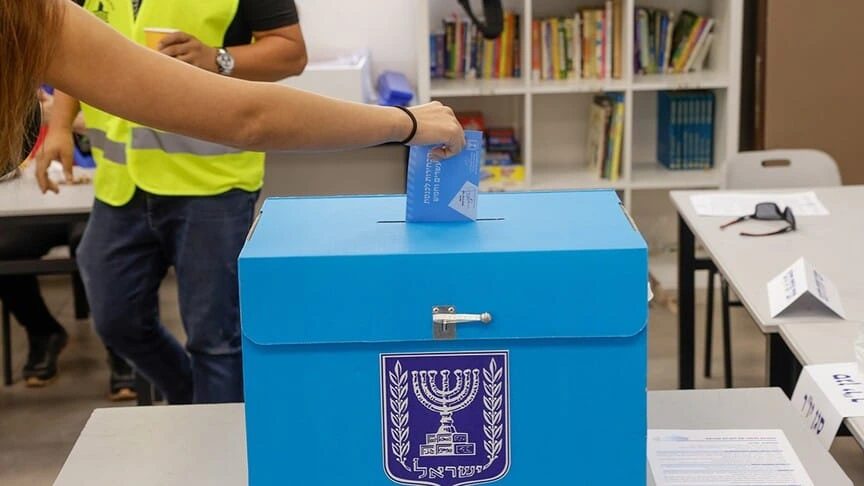
When you look at the map after election night in Israel, something big jumps out. There is a real tension between how things have always worked in parliament and the way Arab citizenship is changing, right in front of everyone’s eyes. Once the immediate dust settles and politicians move past all the usual post election maneuvering, the growing power of Arab parties forces everyone, on both the right and left, to rethink things they had just accepted for decades. The voters have sent a clear signal: two million Arab citizens are not on the political sidelines anymore. They are shaping the game just as much as anyone else.
The early numbers make this shift impossible to ignore. Arab led parties are on track to hold between seventeen and eighteen seats. Whether those go to Mansour Abbas’s Ra’am or the Joint List does not really matter for the larger story, either way, it is a huge milestone in Israeli politics. For people watching from outside, who often talk about Israel like it is a black or white place, this is a reality check. Here is a democracy where minority citizens do not just show up at the ballot box; they run their own campaigns, build parties from the ground up, and now hold the balance of power in a 120 seat parliament. In Israel, losing or winning by one seat can make or break the next Prime Minister, so a bloc controlling close to fifteen percent of the seats is essential, no matter how you slice it.
But step past the ballot count, and there is a more complicated story unfolding within Arab society itself. There is real debate, real disagreement, about how to use this newfound influence. Mansour Abbas and Ra’am have taken a beat the pavement approach, focusing on what Arab communities actually need right now. That means going after the big issues: fighting organized crime, getting better roads and public works, making it easier to build homes, and finally prying overdue government funding out of the system. It paid off in 2021, when Ra’am became a crucial partner in the Bennett Lapid government and proved just how far a pragmatic strategy can go.
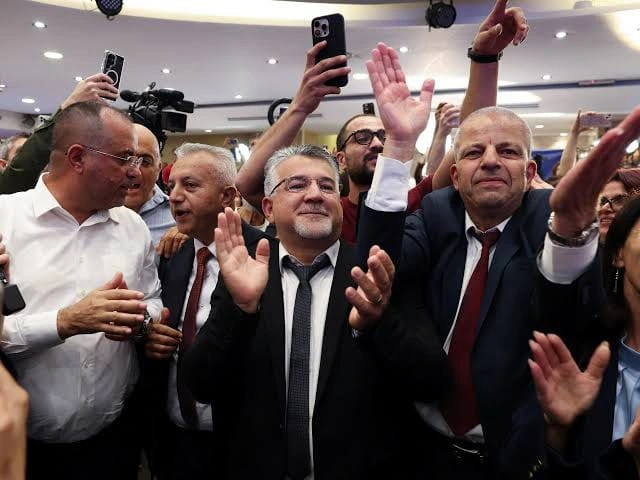
Abbas has not stopped pushing boundaries. When he brought on Yoav Segalovitz, a Jewish ex police commander and Yesh Atid politician, to run with Ra’am, he broke a pretty big taboo. Now, instead of retreating into isolation, Ra’am is sending a message that they are ready to sit across the table, hash things out, and work with all corners of the Israeli system. Issues like policing or city budgets are getting tackled together, not in separate rooms.
Over on the other side of Arab politics, the Joint List is sticking to a different philosophy. They are not ready to jump into official coalitions, preferring to keep one foot outside the government and use their votes to demand changes, on everything from public safety to jobs. At the same time, they are not willing to budge on red lines around identity, civil rights, and Israel’s place in the wider region. These are two distinct paths, and the arguments around them are loud and ongoing. The idea that Arab politics in Israel is uniform just does not fit the facts. There is lively, sometimes heated debate over how to push for equality and influence.
Meanwhile, among Jewish political leaders, there is still no clear consensus about how to respond. Gadi Eisenkot and Naftali Bennett have drawn tough lines, they are saying some principles cannot be bargained away, especially when it comes to national identity or defense responsibilities. Eisenkot’s insistent focus on Israel’s Declaration of Independence and the fundamentals of state protection speaks to a real fear among center right and religious voters, especially with the country still reeling after October 7. But then there are voices like Yair Golan, who want to bring Arab parties into government for real. He argues you cannot have stable leadership or true social unity unless every part of Israel’s population, including Arab citizens, is represented at the top levels.
Of course, these arguments do not happen in a vacuum. There is decades of mistrust and tough history between communities, plus complicated security worries and plenty of old political baggage. Politicians (on all sides) are still held to account, which is necessary if democracy is going to mean anything. Debates over policy or national security will always be part of coalition wrangling. Still, there is a hard line between disagreeing over which party belongs in government and painting millions of voters as somehow illegitimate.
Suggesting that high Arab turnout at the polls is a danger, rather than normal civic participation, cuts right at the roots of Israeli democracy. The promise at the core of the Declaration of Independence is simple: equal rights and full political representation for all. Refusing to partner with a party because you disagree over policy? That is politics. But calling minority voters a threat just for turning out on election day is something else entirely. That attitude risks tearing apart the thin thread that holds Israeli society together.
Now, as party leaders start horse trading and running the numbers in Jerusalem, it might seem like it is all just about who grabs which ministry or who gets first dibs on the seat of the Prime Minister. But this election means much more. The growing presence and assertiveness of Arab citizens reflects a new phase, a voter base that knows what it wants, expects to be listened to, and believes it deserves a real seat at the table.
Israel’s real test now is whether its politics can adapt and keep up. Can the system include this change, protect security and stay true to democracy at the same time? If so, real stability is within reach. It will not happen through endless elections, angry rhetoric, or by shoving communities out of the conversation. Lasting stability means everyone’s rights and voices count, whatever their background. That is the only way this country can really call itself a democracy for all its people.
About the Author
Noam Shalev is a Political Affairs Commentator covering Israeli government policy, US-Israel relations, coalition politics, and diplomatic engagement across the Middle East.