
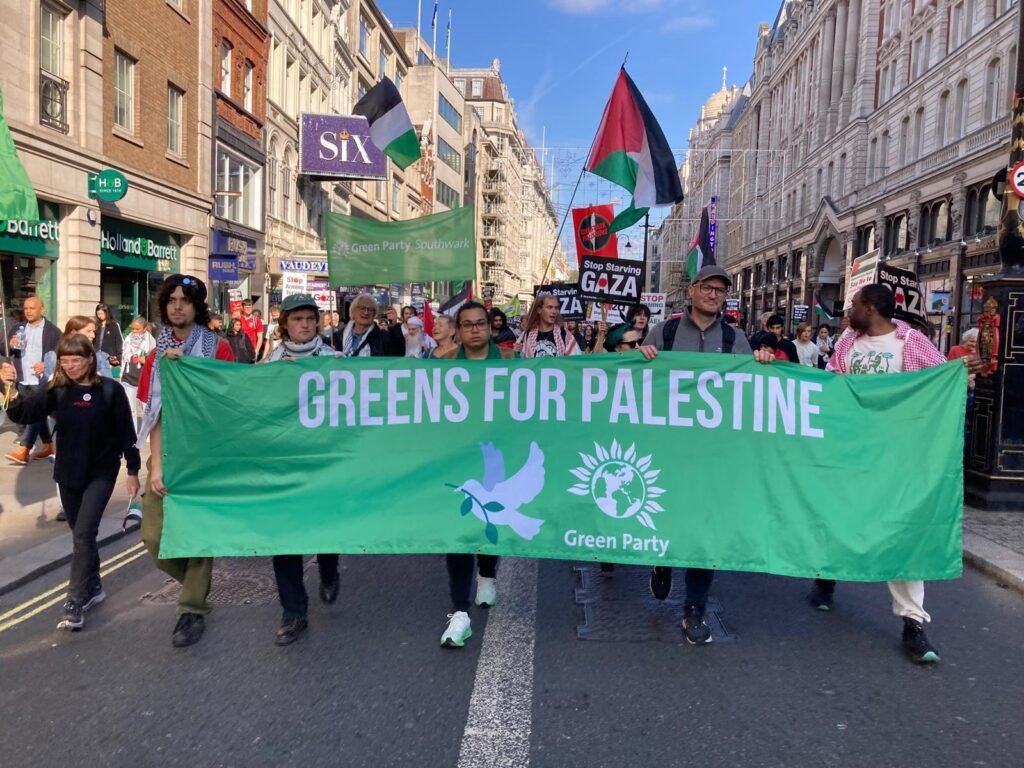
When the Green Party of England and Wales officially adopted Motion A105, it marked more than just a policy change, it was a real turning point in today’s political landscape. Suddenly, radical ideas that, not so long ago, felt like the exclusive property of university debates or late night activist circles have surged straight into the center of mainstream party politics. The numbers make this clear: by a close margin, 1,022 to 813, Green Party members voted at their autumn conference to brand the party as openly anti Zionist. This isn’t just words on paper. The motion champions the Palestinian right of return, calls for a single binational state stretching across all of historic Palestine, demands a full arms embargo on Israel, and throws unqualified support behind the Boycott, Divestment, and Sanctions movement. Suddenly, what used to be street level hostility to Israel now sits embedded within party manifestos and actual policy blueprints. It forces us to reckon with how anti Israel sentiments, once fringe, have climbed their way into the official machinery of politics in Western societies.
Digging into the details of this vote, you can see just how divided, and maybe even wounded, some progressive organizations have become. The push for the motion came from activist members burning with ideological passion, but when it came time to govern a real country, those ideas smashed hard against practical reality. Most notably, four out of the Green Party’s five Members of Parliament voted against the motion. They saw the risks: how something this radical could threaten the party’s credibility at the ballot box or fracture social cohesion in the country at large. The fallout was immediate and public: Sandy Ruthven, chair of Amnesty International UK’s charitable trust, quit, blasting party leaders for chasing hard left votes at the expense of tackling antisemitism inside their own camp. Critics quickly pointed out the contradiction: they were busy denying Israel’s right to exist while offering surface level “reassurances” to Jewish members that barely scratched the surface. Still, writing off Motion A105 as an isolated bit of Green Party drama misses the bigger picture. The pattern is bigger: across European progressive politics, tightly organized activist blocs use open, democratic avenues to nudge mainstream platforms in their direction, leaving leadership scrambling to respond.
For Israel, and for anyone fighting for its legitimacy on the world stage, the Green Party’s move comes with heavy consequences. This isn’t just a story about one British party’s internal debate. It’s the moment when a narrative that separates Israeli policy critiques from the entire idea of Jewish self determination leaps from activist talking point to official policy. When a mainstream party adopts open anti Zionism, it gives legitimacy and political cover to a goal that, taken to its conclusion, means dissolving the Jewish state. This puts diaspora Jewish communities in an impossible spot, often pushed out of progressively minded spaces unless they’re willing to publicly distance themselves from Israel. These individuals aren’t just called to defend military decisions in a fraught conflict; now, they’re being challenged to justify their historic and personal identities just to stay in the conversation.
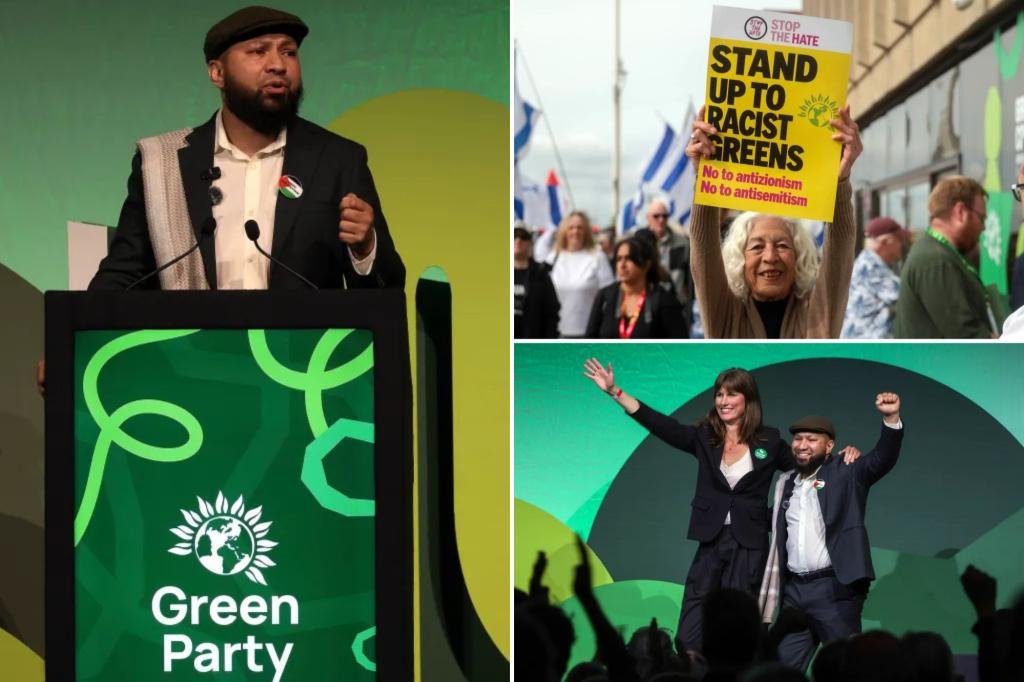
So why do motions like A105 pick up speed so effortlessly among Western intellectual elites? The answer lies in the deep influence of activist networks, academic theorists, and NGOs that have been at work for decades. Their frame reduces the Israeli Palestinian conflict, which is mind boggling in its complexity and rich with overlapping histories, down to a blunt, two part equation: oppressor versus oppressed, settler versus colonized. Within this story, the thousands year old connection between Jewish people and their homeland gets erased, and Israel is shoehorned into a Western post colonial narrative. This approach appeals to progressives because it tidies up the conflict into clear good guys and bad guys, falling flush with the themes of modern social justice. Once this narrative takes hold, well informed arguments about history, security, or the indigenous nature of both peoples get tossed aside as spin or distraction.
Facing this tidal wave, Israel and its supporters have to rethink everything about their messaging and public strategy. Waiting until after the fact, issuing carefully worded press releases or technical legal rebuttals once the damage is done, just isn’t enough anymore. The only way to shift the story is by jumping into the center of debate ahead of time: on campuses, inside trade unions, among professional groups, and civil society. It means getting specific about the stakes: motions like A105 don’t offer a path to peace, they call for the erasure of a sovereign country. And it means constructing new narratives, ones that remind people Zionism is about national liberation for Jews, rooted in historical experience rather than just modern politics.
In the end, Motion A105 serves as a loud warning for today’s democracies: radical agendas don’t stay at the fringes if party leaders aren’t ready to confront them head on. Protecting both democracy and the standing of Jewish communities in a world where these ideas are mainstreamed demands more than crisis management: it takes deep thought, coordinated action, and leaders who are willing to stand on principle, not just follow political trends. That’s the only way forward to preserve the integrity of both progressive values and the broader conversation about civil rights and international justice.